Original: $21.00
-70%$21.00
$6.30The Story
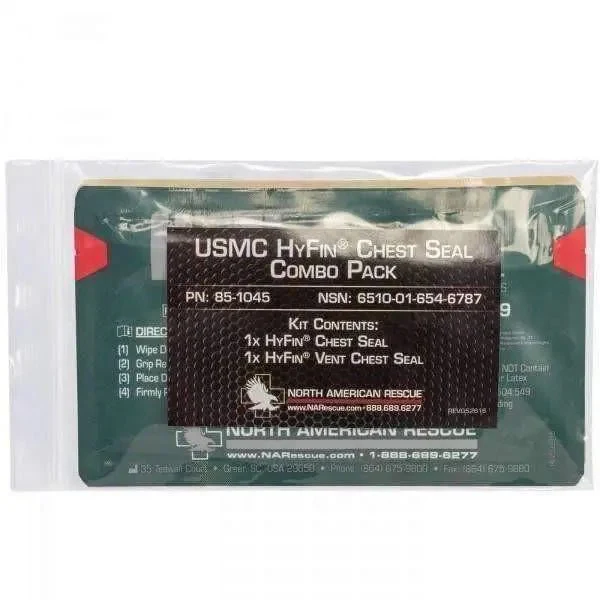
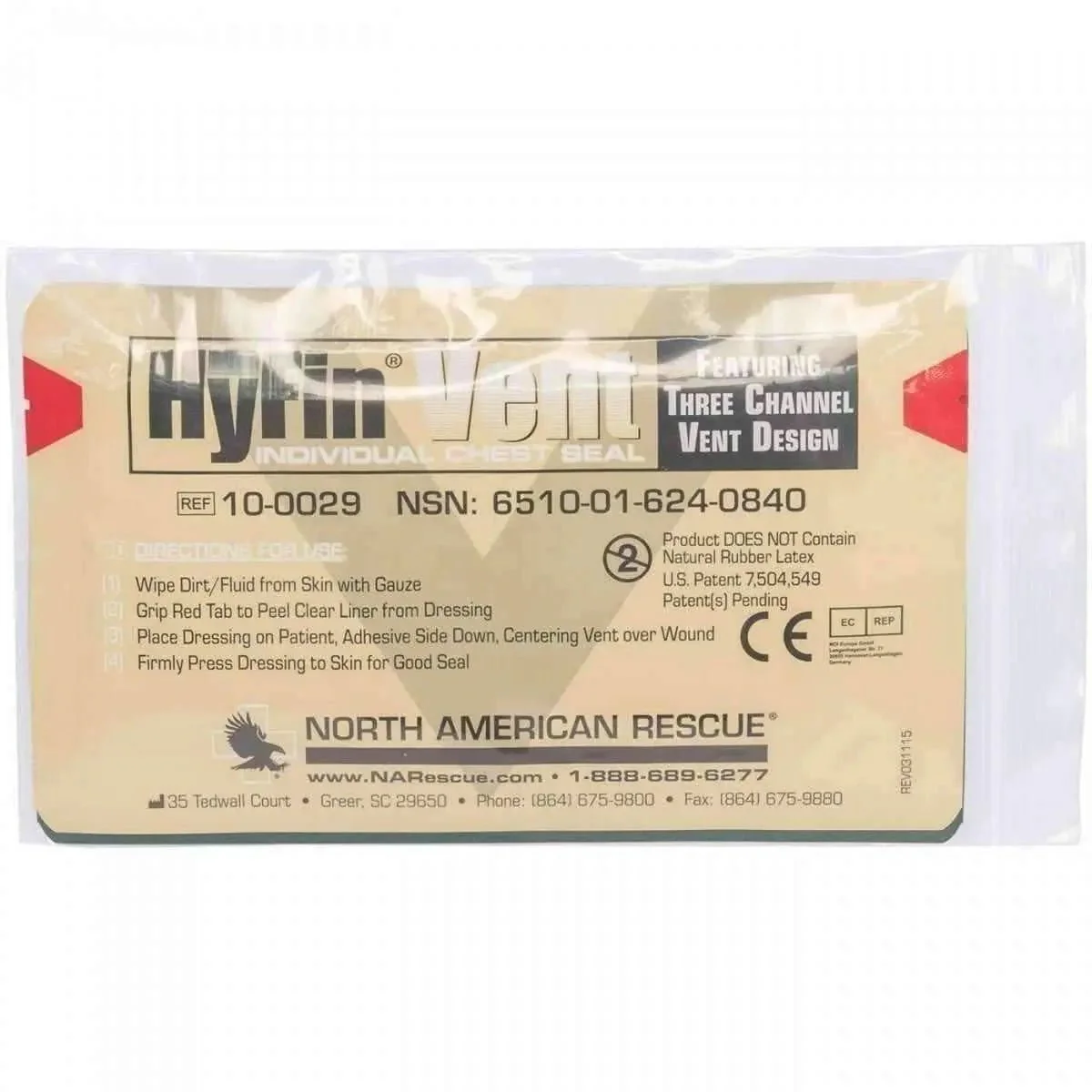
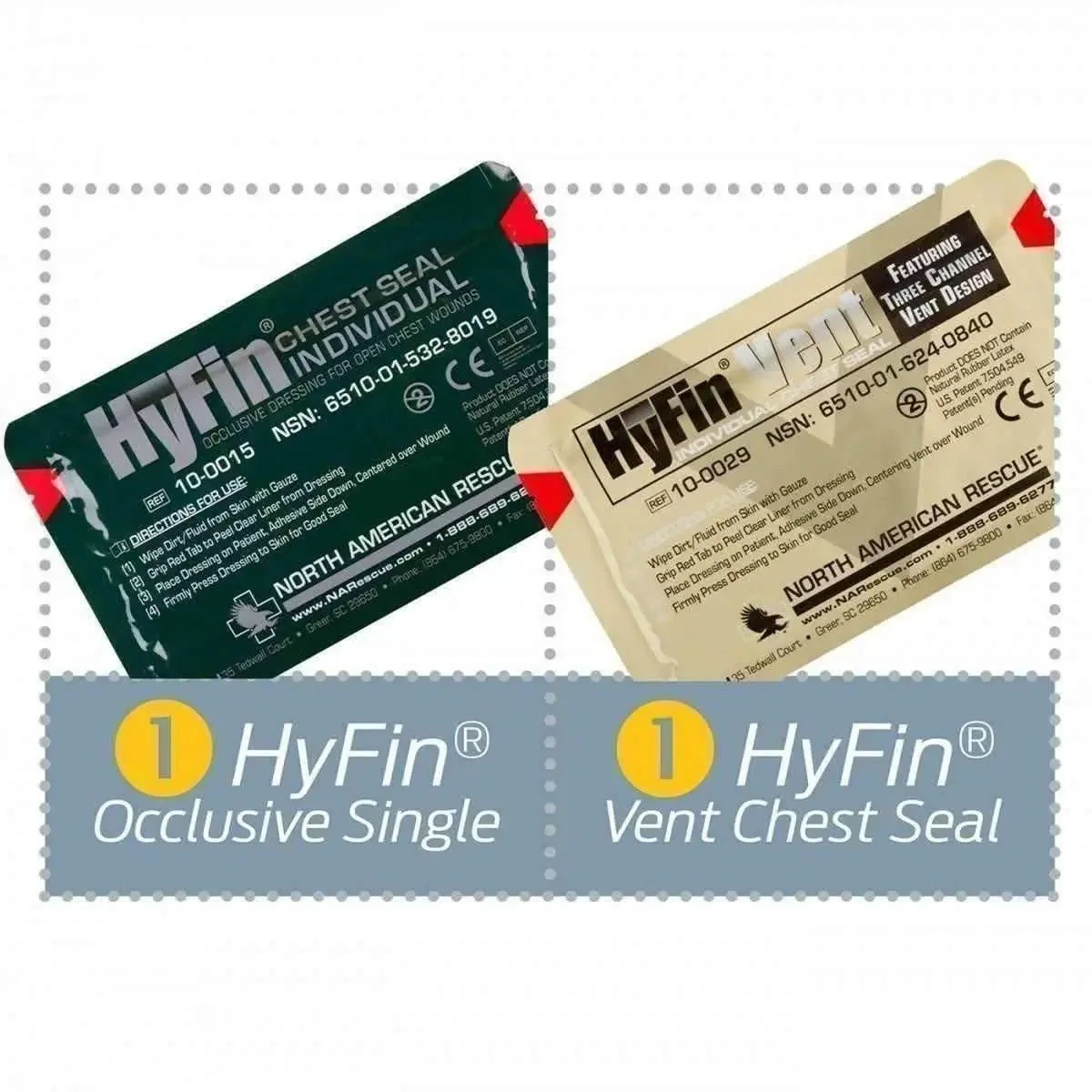
The HyFin® USMC Chest Seal Combo Pack by North American Rescue provides one HyFin® Occlusive (non-vented) and one HyFin® Vent (3-channel vented) chest seal in a single clear resealable pouch — designed to address the clinical reality that entry and exit wounds may require different seal types. Both seals deploy to 6" × 6" and feature the same enhanced hydrogel adhesive and Red-Tip Technology® tear notch. Total weight: 2.9 oz.
Key Specifications
| Specification | Detail |
|---|---|
| Manufacturer | North American Rescue (NAR) |
| SKU (MED-TAC) | MEDTAC0337 |
| Contents | 1× HyFin® Occlusive Chest Seal + 1× HyFin® Vent Chest Seal + 1× resealable clear pouch |
| Seal Type (Occlusive) | Non-vented, fully occlusive |
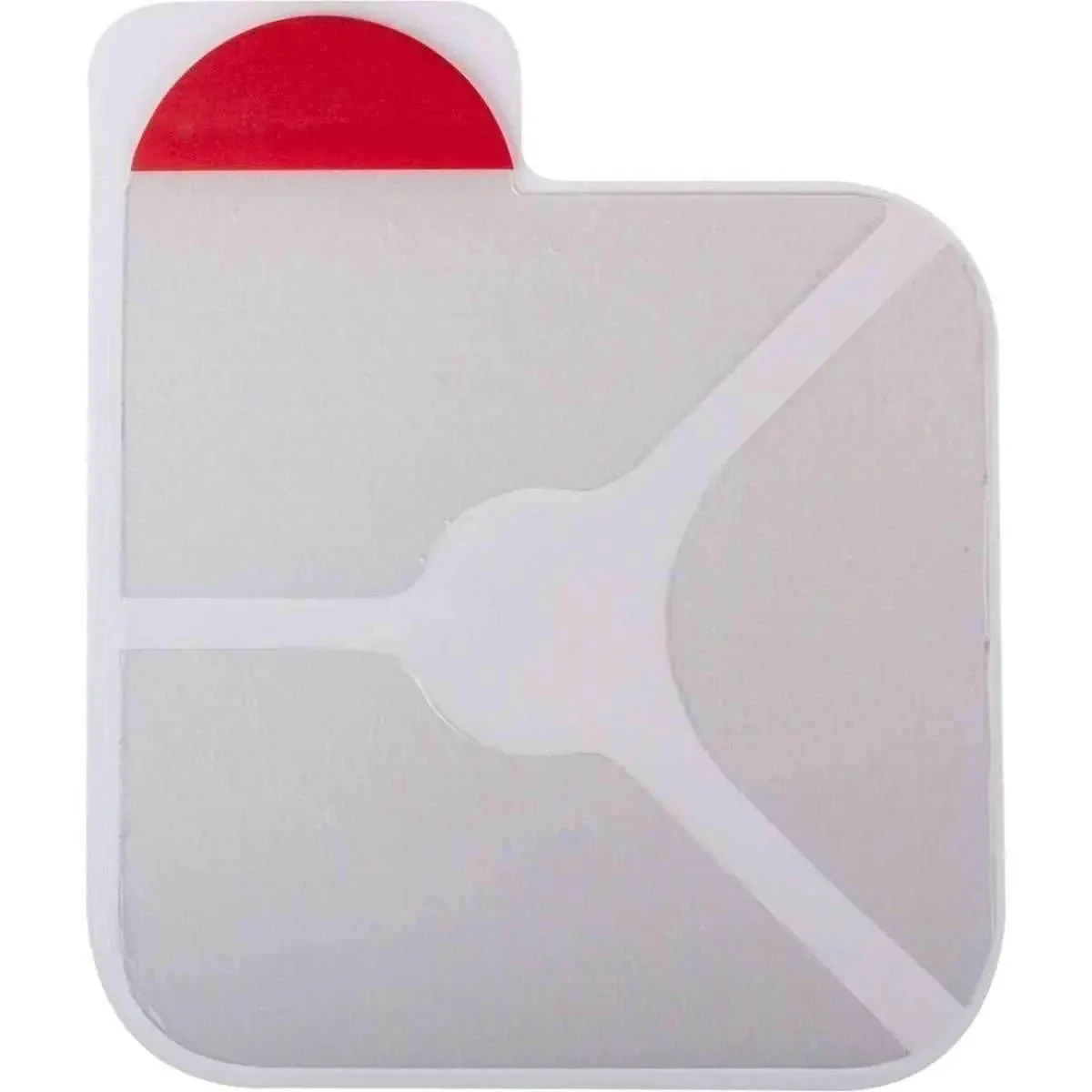
| Seal Type (Vent) | Vented — 3-channel pressure-relief system |
| Seal Dimensions (deployed) | H 6" × W 6" × D 0.1" (each seal, excluding tab) |
| Packaged Dimensions | L 9" × W 5" × D 0.2" |
| Total Weight | 2.9 oz |
| Adhesive | Enhanced hydrogel — adheres on bloody, sweaty, hairy skin |
| Guideline Status | Vented seal type per CoTCCC-recommended practice (2024 TCCC Guidelines) |
| U.S. Patent | 7,504,549 |
Product Overview
When North American Rescue developed the USMC Chest Seal Combo Pack for Marine Corps issue, the clinical objective was to provide a single package that handles any penetrating thoracic scenario — regardless of wound location or orientation. Through-and-through penetrating injuries can present with an anterior entry wound and a posterior exit wound, and the optimal seal type may differ between the two sites. The vented seal on the entry wound allows accumulated air and blood to escape; the non-vented occlusive seal is preferred for posterior wounds where the risk of debris occluding a vent is higher, or for wounds in locations where venting geometry would be suboptimal.
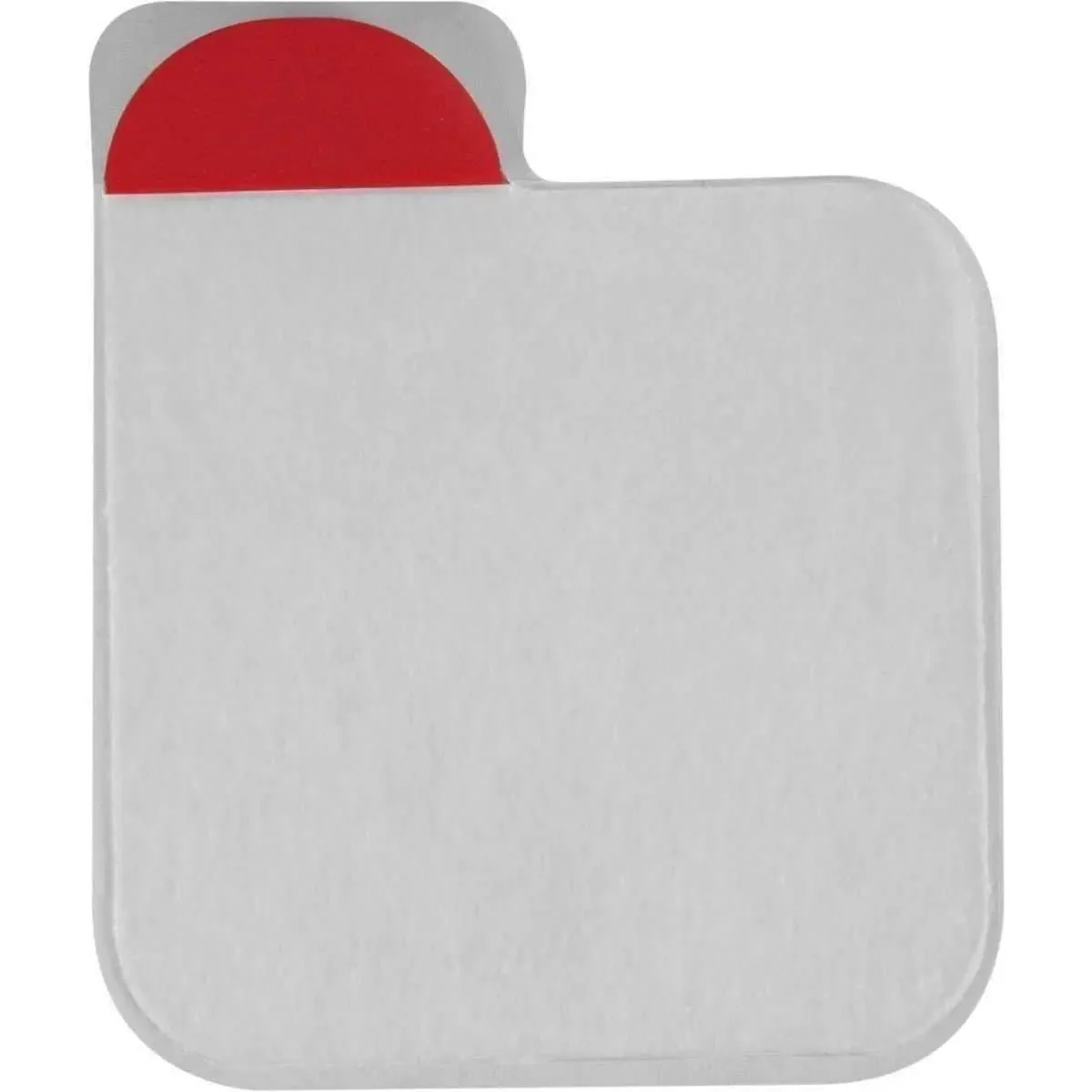
Both seals in the USMC Combo measure 6" × 6" deployed and use the enhanced hydrogel adhesive formulation. Transparent backing allows accurate wound-centered placement and ongoing monitoring of the wound after application. The large red elliptical tabs facilitate single-step, one-handed, glove-on application even under extreme stress — a design requirement derived from combat casualty care feedback. Both seals ship in a clear resealable pouch that allows visual identification and rapid deployment without fumbling through multiple packages.
The 2024 TCCC Guidelines from CoTCCC direct that all open and sucking chest wounds be treated with a vented chest seal first; if unavailable, a non-vented seal should be applied while monitoring for subsequent tension pneumothorax. By carrying both types in one package, responders eliminate the decision-making burden of having the wrong seal type at hand. For complete chest trauma capability, see MED-TAC's full chest & thoracic supplies collection or pair this combo with a complete IFAK kit.
Application Instructions
- Identify entry and exit wounds: Quickly assess for through-and-through injury. A posterior wound will typically require the non-vented seal; the anterior entry wound receives the vented seal.
- Expose and clear the wound area: Remove clothing, wipe away excess blood and moisture.
- Apply vented seal to entry wound: Tear via Red-Tip notch, center over wound, press firmly from center outward. The 3-channel vent tab should be positioned to allow gravity drainage when possible.
- Apply occlusive seal to exit/posterior wound: Use the same technique. The occlusive seal creates a complete air barrier.
- Monitor: Watch SpO₂, respiratory rate, and breath sounds. If tension signs develop, burp the vented seal or perform needle decompression per TCCC protocol.
See also: Chest & Thoracic Supplies | IFAK Kits
All products sourced from the actual brand manufacturer or authorized master distributors. CoTCCC recommendation status verified where applicable. Ships from MED-TAC International, Pembroke Pines, FL — clinician-founded, veteran-led, SDVOSB-certified.
Details & Craftsmanship
Every detail has been carefully considered to bring you the perfect product.
Details & Craftsmanship
Every detail has been carefully considered to bring you the perfect product.
Details & Craftsmanship
Every detail has been carefully considered to bring you the perfect product.
Details & Craftsmanship
Every detail has been carefully considered to bring you the perfect product.
Description
The HyFin® USMC Chest Seal Combo Pack by North American Rescue provides one HyFin® Occlusive (non-vented) and one HyFin® Vent (3-channel vented) chest seal in a single clear resealable pouch — designed to address the clinical reality that entry and exit wounds may require different seal types. Both seals deploy to 6" × 6" and feature the same enhanced hydrogel adhesive and Red-Tip Technology® tear notch. Total weight: 2.9 oz.
Key Specifications
| Specification | Detail |
|---|---|
| Manufacturer | North American Rescue (NAR) |
| SKU (MED-TAC) | MEDTAC0337 |
| Contents | 1× HyFin® Occlusive Chest Seal + 1× HyFin® Vent Chest Seal + 1× resealable clear pouch |
| Seal Type (Occlusive) | Non-vented, fully occlusive |
| Seal Type (Vent) | Vented — 3-channel pressure-relief system |
| Seal Dimensions (deployed) | H 6" × W 6" × D 0.1" (each seal, excluding tab) |
| Packaged Dimensions | L 9" × W 5" × D 0.2" |
| Total Weight | 2.9 oz |
| Adhesive | Enhanced hydrogel — adheres on bloody, sweaty, hairy skin |
| Guideline Status | Vented seal type per CoTCCC-recommended practice (2024 TCCC Guidelines) |
| U.S. Patent | 7,504,549 |
Product Overview
When North American Rescue developed the USMC Chest Seal Combo Pack for Marine Corps issue, the clinical objective was to provide a single package that handles any penetrating thoracic scenario — regardless of wound location or orientation. Through-and-through penetrating injuries can present with an anterior entry wound and a posterior exit wound, and the optimal seal type may differ between the two sites. The vented seal on the entry wound allows accumulated air and blood to escape; the non-vented occlusive seal is preferred for posterior wounds where the risk of debris occluding a vent is higher, or for wounds in locations where venting geometry would be suboptimal.
Both seals in the USMC Combo measure 6" × 6" deployed and use the enhanced hydrogel adhesive formulation. Transparent backing allows accurate wound-centered placement and ongoing monitoring of the wound after application. The large red elliptical tabs facilitate single-step, one-handed, glove-on application even under extreme stress — a design requirement derived from combat casualty care feedback. Both seals ship in a clear resealable pouch that allows visual identification and rapid deployment without fumbling through multiple packages.
The 2024 TCCC Guidelines from CoTCCC direct that all open and sucking chest wounds be treated with a vented chest seal first; if unavailable, a non-vented seal should be applied while monitoring for subsequent tension pneumothorax. By carrying both types in one package, responders eliminate the decision-making burden of having the wrong seal type at hand. For complete chest trauma capability, see MED-TAC's full chest & thoracic supplies collection or pair this combo with a complete IFAK kit.
Application Instructions
- Identify entry and exit wounds: Quickly assess for through-and-through injury. A posterior wound will typically require the non-vented seal; the anterior entry wound receives the vented seal.
- Expose and clear the wound area: Remove clothing, wipe away excess blood and moisture.
- Apply vented seal to entry wound: Tear via Red-Tip notch, center over wound, press firmly from center outward. The 3-channel vent tab should be positioned to allow gravity drainage when possible.
- Apply occlusive seal to exit/posterior wound: Use the same technique. The occlusive seal creates a complete air barrier.
- Monitor: Watch SpO₂, respiratory rate, and breath sounds. If tension signs develop, burp the vented seal or perform needle decompression per TCCC protocol.
See also: Chest & Thoracic Supplies | IFAK Kits
All products sourced from the actual brand manufacturer or authorized master distributors. CoTCCC recommendation status verified where applicable. Ships from MED-TAC International, Pembroke Pines, FL — clinician-founded, veteran-led, SDVOSB-certified.