The Story
Key Specifications
| Specification | Detail |
|---|---|
| Pad Width | 4 inches |
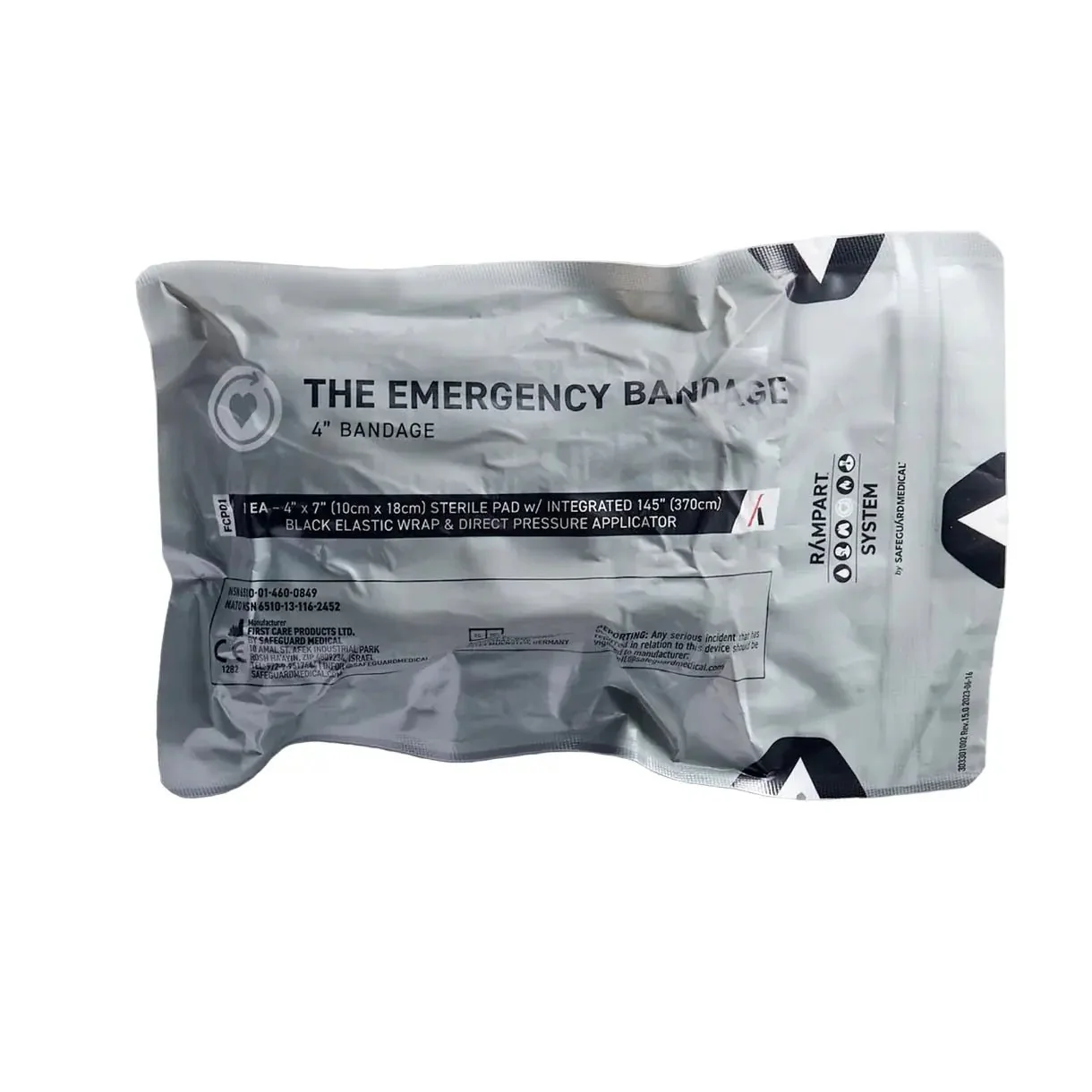
| Manufacturer | Safeguard Medical (formerly PerSys Medical / First Care Products Ltd.) |
| Country of Manufacture | Israel (same factory, same personnel) |
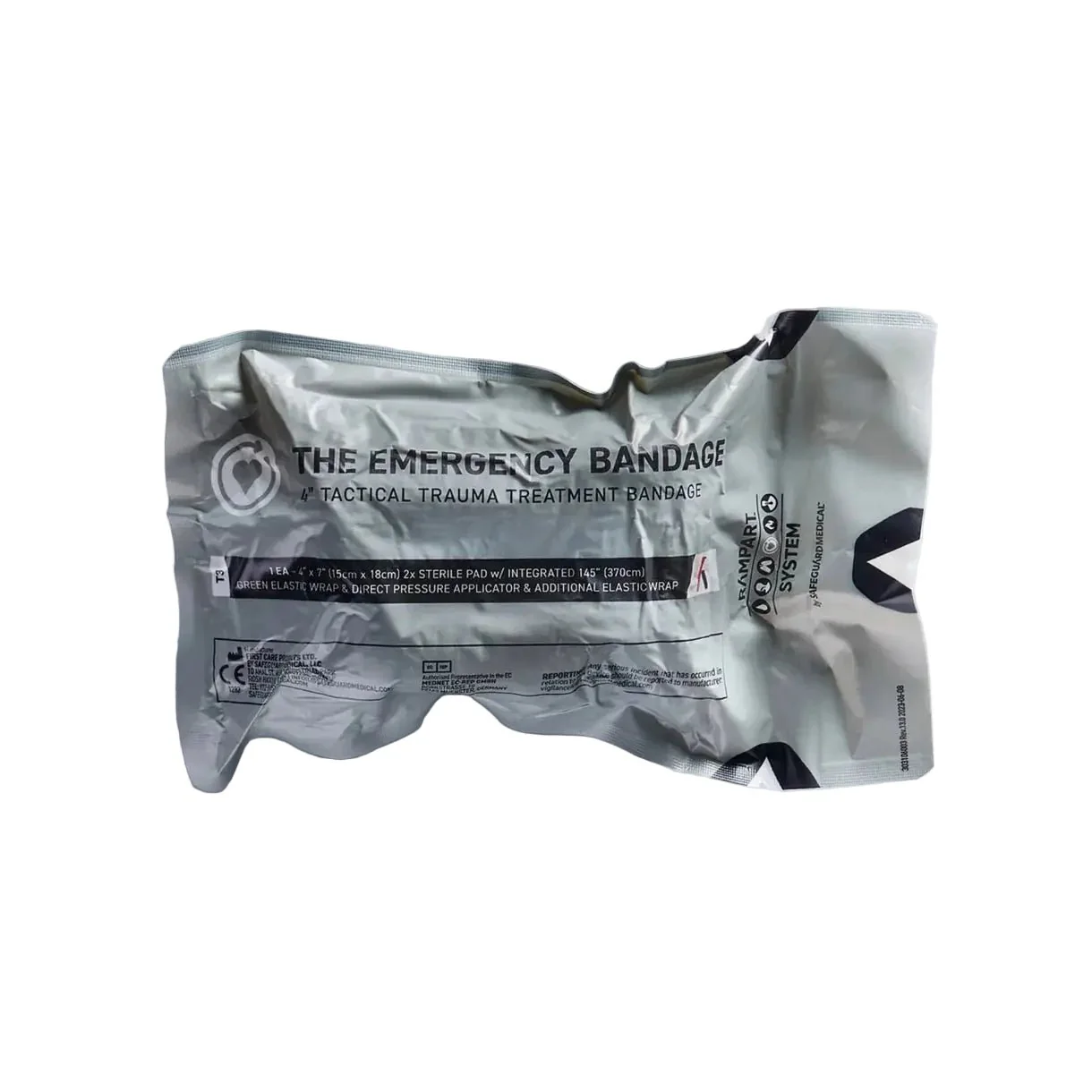
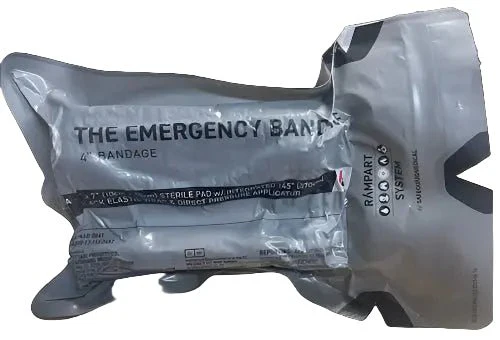
| Packaging | RAMPART™ System grey packaging |
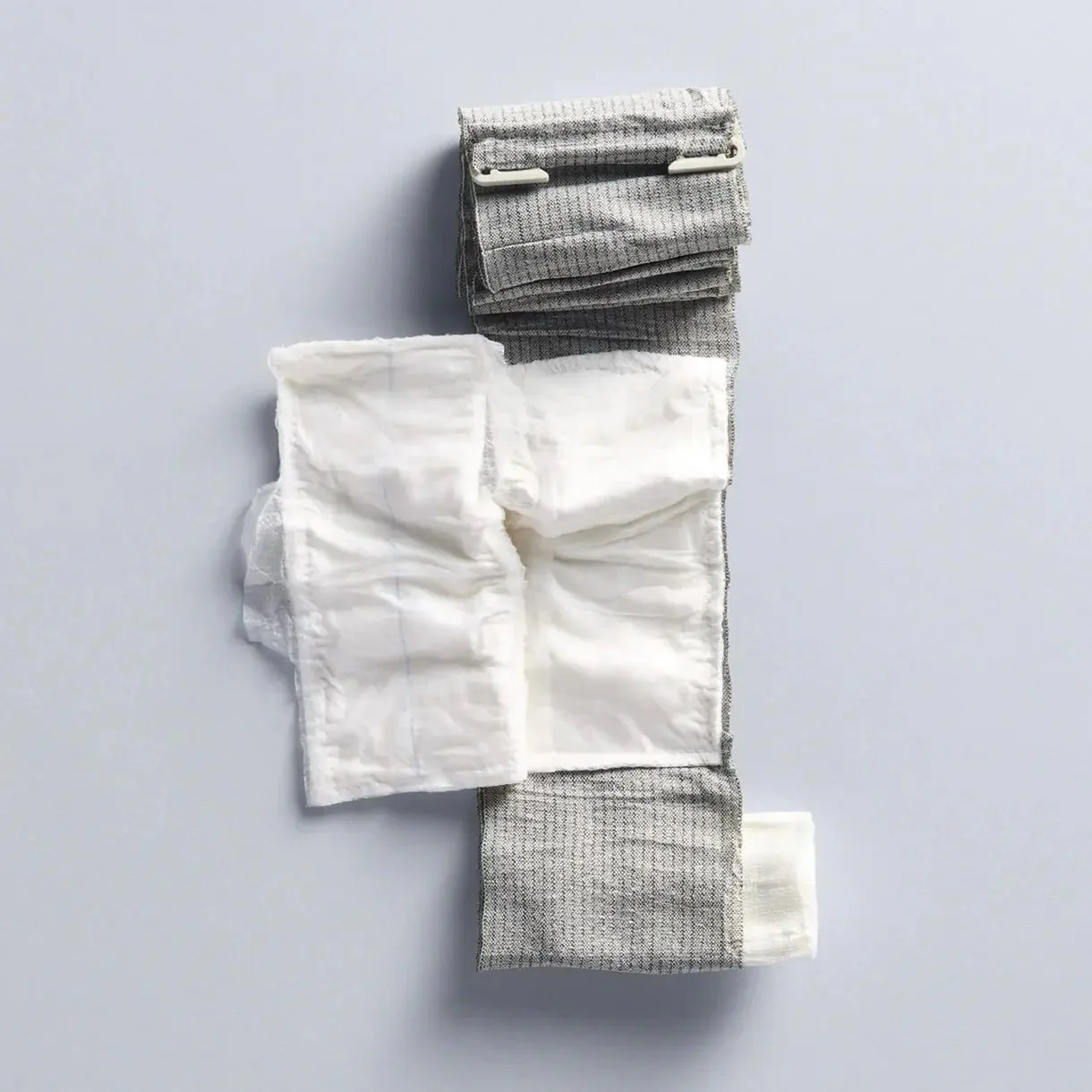
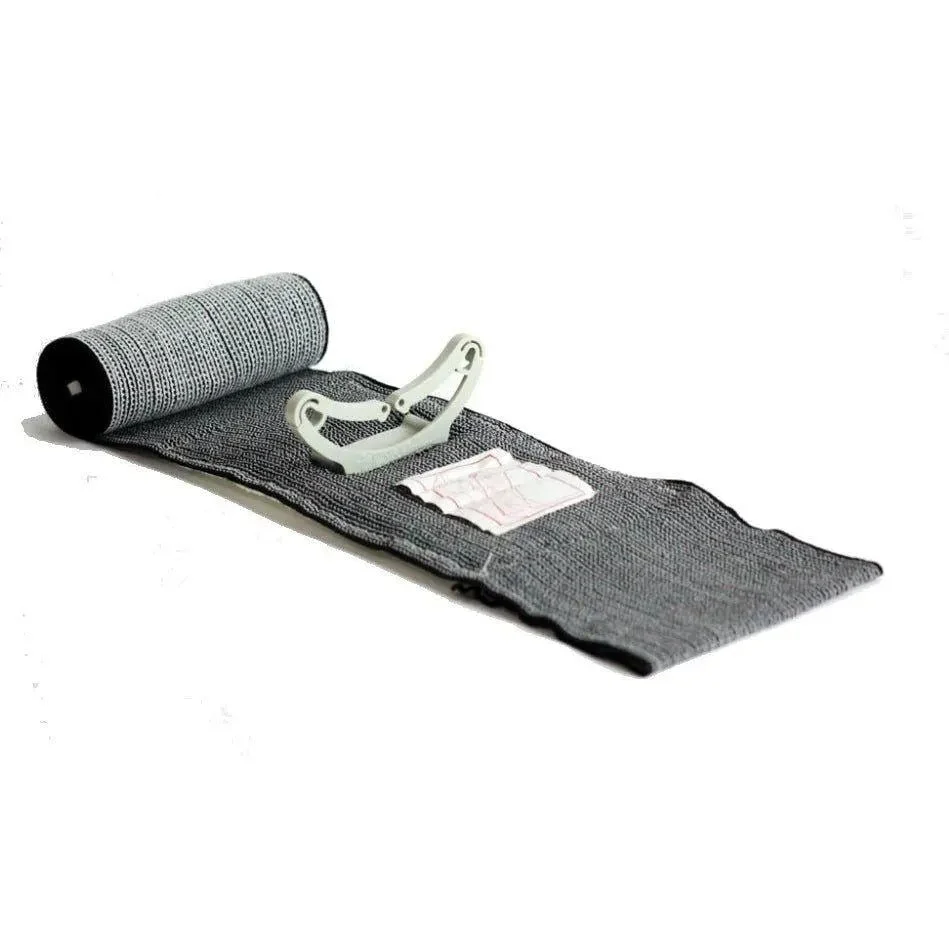
| Key Components | Non-adherent sterile pad, pressure applicator, elastic bandage, closure bar |
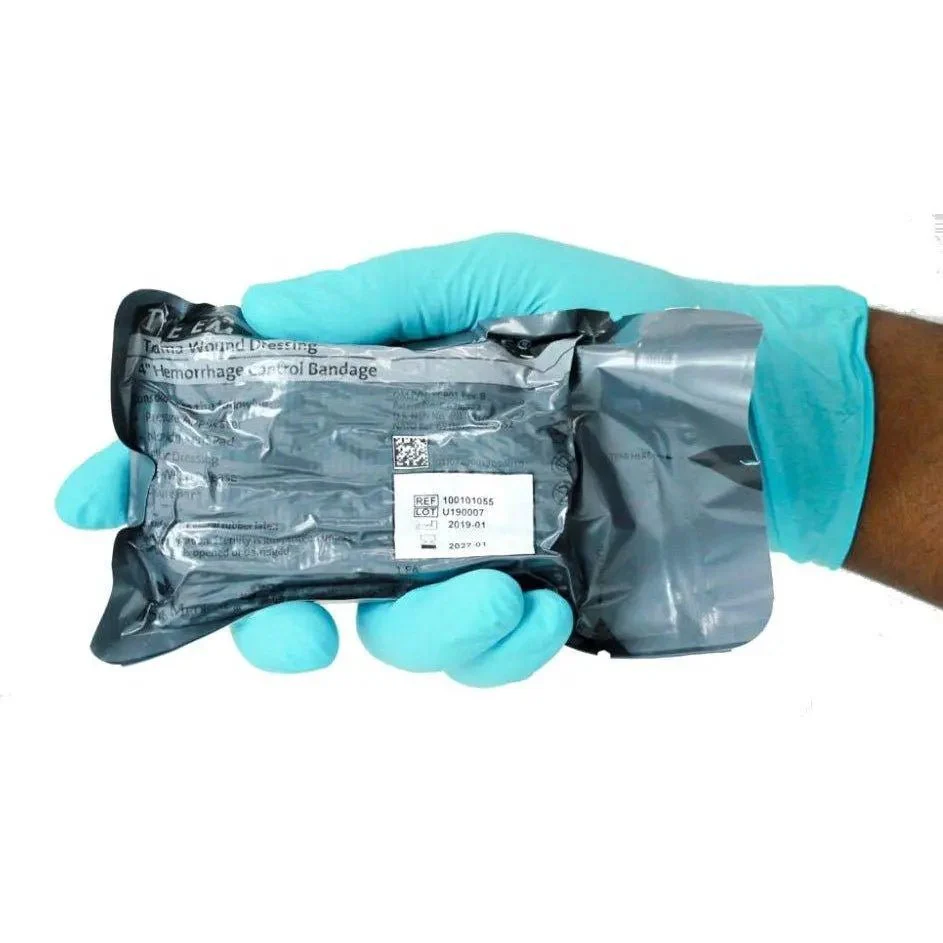
| Sterility | Yes — sterile, multi-layer sealed packaging |
| FDA Status | Cleared as a non-pneumatic tourniquet; applies 30–40 lbs pressure to wound |
| Applicable Wounds | Lacerations, amputations, penetrating injuries, scalp/head wounds |
History & Development
The bandage earned its battlefield name when American soldiers in NATO peacekeeping operations in Bosnia encountered it and began calling it the "Israeli bandage" — a nickname that became its enduring identity worldwide. Its use during Operations Enduring Freedom and Iraqi Freedom established it as the standard of care for hemorrhage control in the U.S. military, ultimately being adopted by U.S. Army Rangers in 2001 and becoming a fixture in every American soldier's individual first aid kit. Bar-Natan later sold First Care Products to PerSys Medical in Houston, Texas, which introduced the bandage to the U.S. military market. In 2019, Safeguard Medical acquired PerSys Medical, and the Emergency Bandage continues to be manufactured in the same Israeli factory by the same experienced personnel — now shipped in Safeguard's updated grey RAMPART™ System packaging. Today, 1.5 to 2 million Emergency Bandages are produced and sold each year. For more background, see our Complete IFAK Guide.
Notably, the Emergency Bandage was used by Arizona emergency responders during the 2011 Tucson shooting to treat victims including Congresswoman Gabrielle Giffords, and has appeared in standard issue for military, police, fire, and EMS organizations in more than 50 countries. It has been favorably reviewed in Military Medicine and is widely cited as the most effective field pressure dressing in pre-hospital emergency care.
Product Features
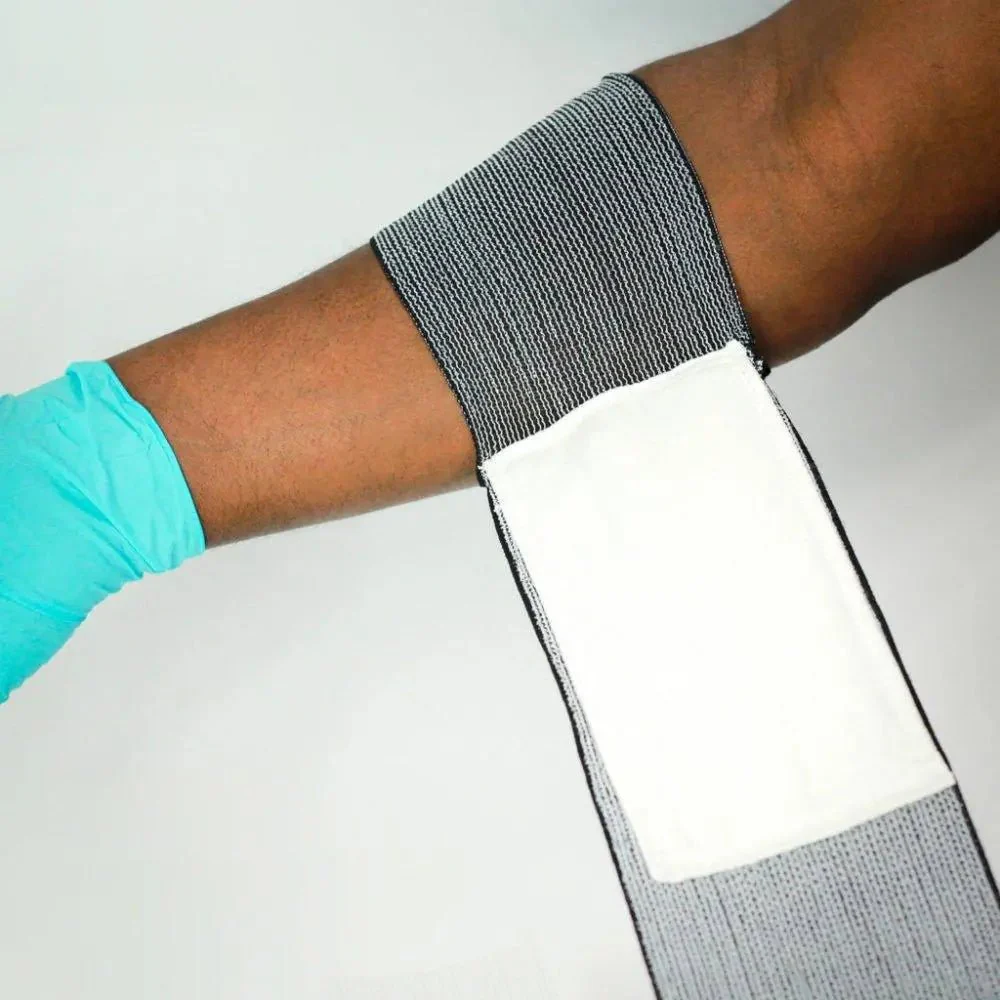
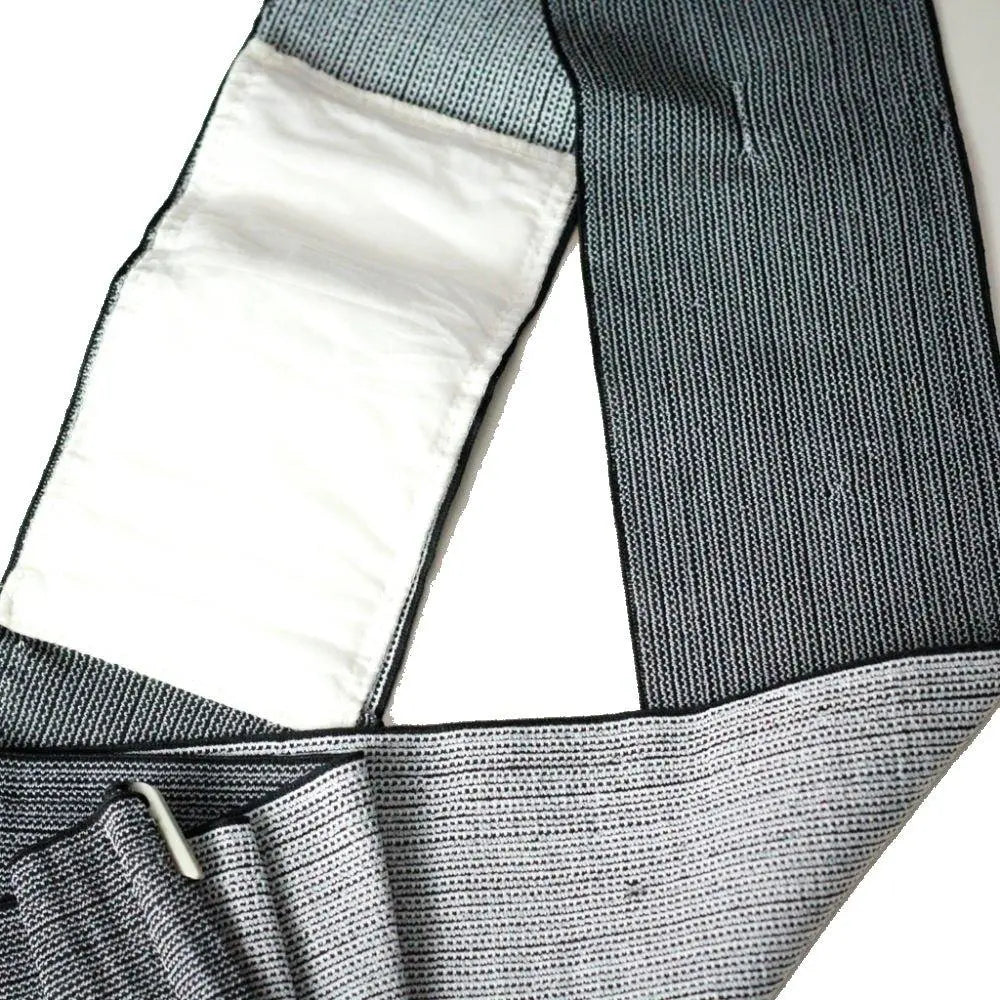
- 4" Non-Adherent Sterile Pad: The primary dressing pad lies flat against the wound without adhering to healing tissue — preventing re-bleeding and wound disruption during dressing changes.
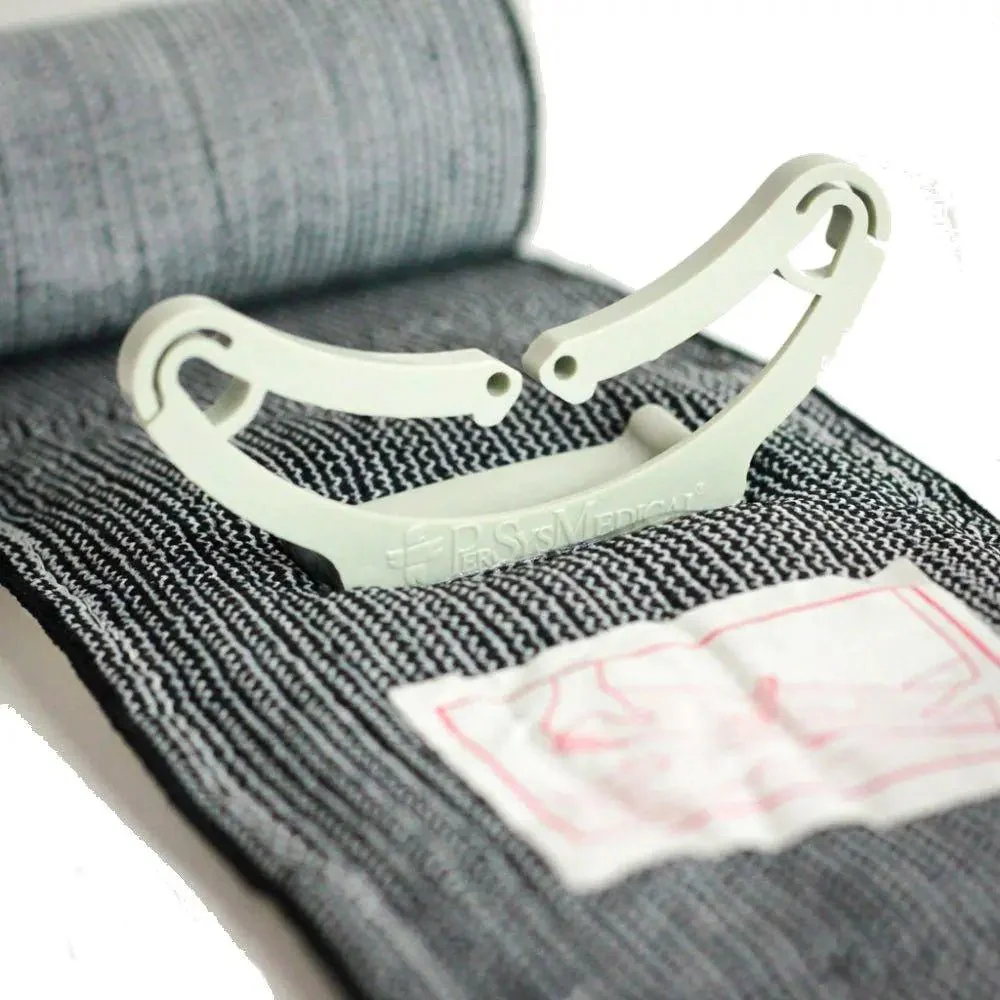
- Built-In Pressure Applicator: A bar sewn into the bandage creates directional pressure directly over the wound as the elastic wraps around it. FDA-cleared to apply 30–40 lbs of pressure — sufficient for hemorrhage control on moderate to severe bleeds.
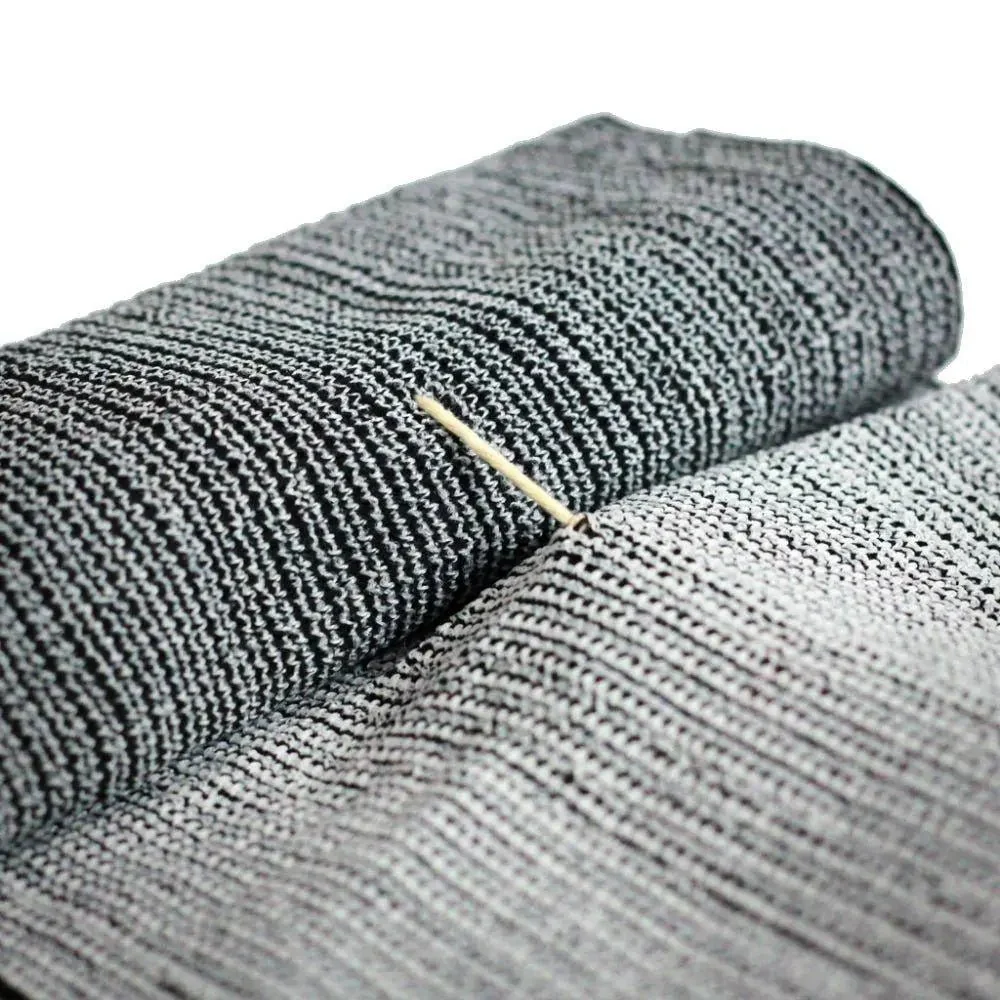
- Elasticized Bandage: Stretchy, conforming elastic material wraps securely around extremities, head, or torso, maintaining consistent pressure throughout movement and transport.
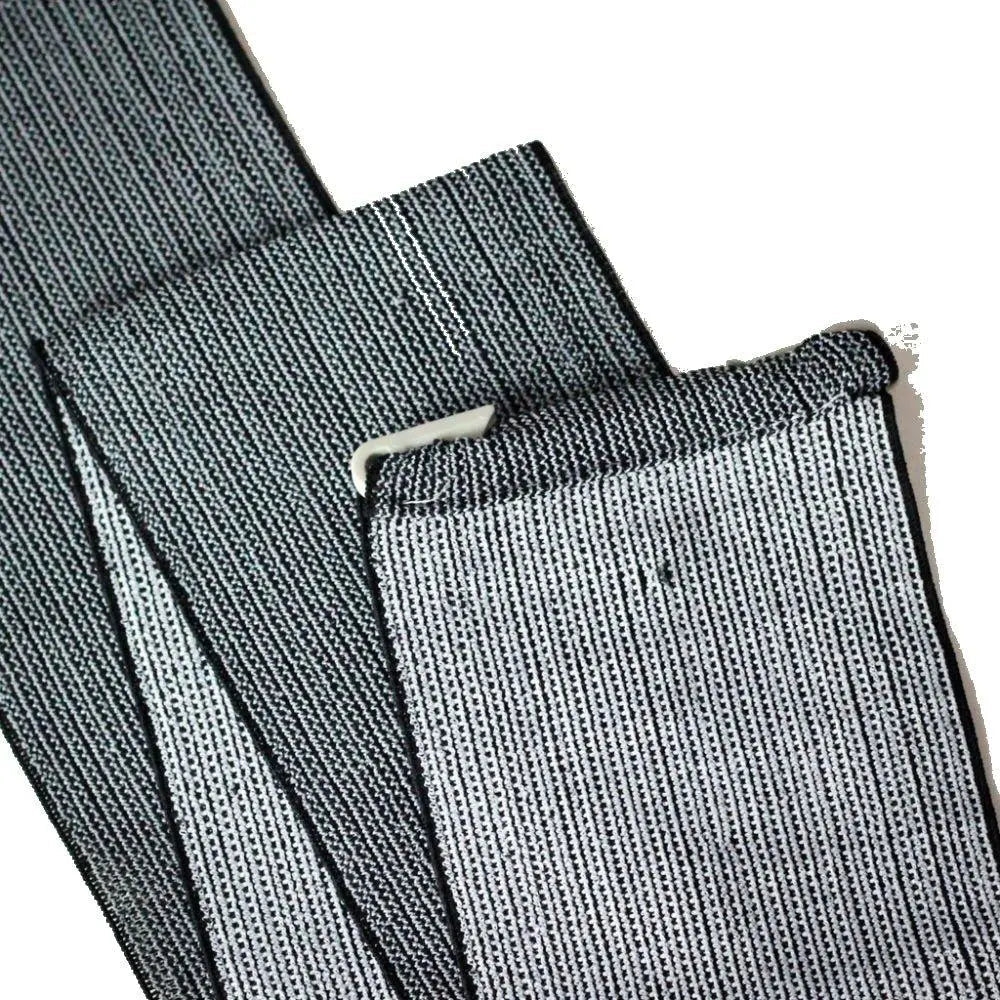
- Closure Bar: A built-in closure mechanism fastens the bandage securely without clips or tape — operable one-handed, allowing self-application to extremity or head wounds.
- One-Handed Application: The design enables a wounded soldier or first responder to apply the bandage to their own extremity wound without assistance — critical in solo or remote environments.
- Compact Footprint: The 4" version is smaller and lighter than the 6" — ideal for IFAK pouches, EDC medical kits, and space-constrained carry configurations where a full 6" pad is not required.
- Occlusive Capability: The bandage can function as an emergency chest seal substitute in the absence of dedicated vented chest seals for certain wound types.
4" vs. 6" Emergency Bandage
4" Emergency Bandage (This Product)
- Compact and lightweight
- Ideal for extremity wounds: arm, lower leg
- IFAK and EDC medical kit friendly
- Head and scalp wound application
- Best for moderate bleeding wounds
6" Emergency Bandage
- Larger pad surface for bigger wounds
- Thigh, groin, shoulder, torso application
- Preferred for severe or large-area bleeds
- More coverage for amputations
- Can include additional gauze layers
How to Use the 4" Emergency Bandage
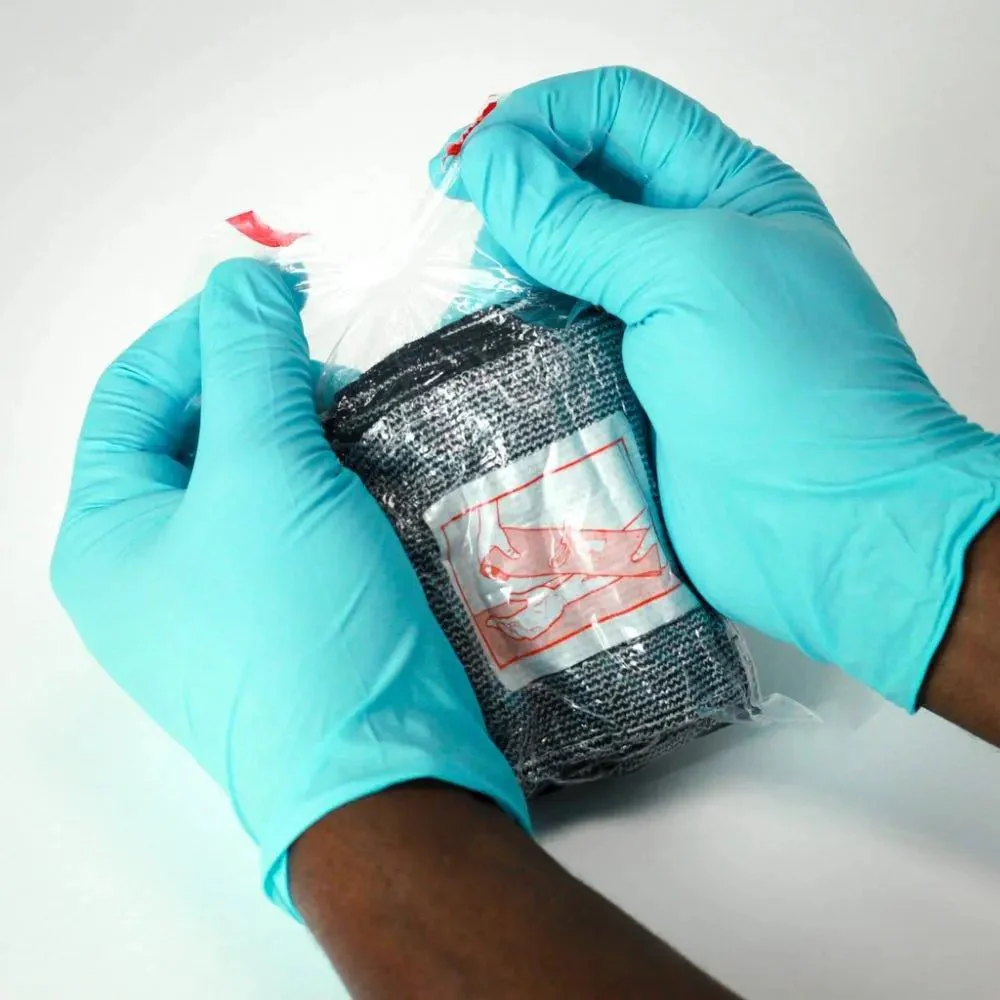
- Apply gloves if available. Open the sterile package without contaminating the pad.
- Place the non-adherent pad directly over the wound with the white pad side against the injury.
- Feed the elastic bandage through the pressure applicator bar on the first pass, positioning the bar directly over the wound.
- Continue wrapping the elastic bandage in a circular pattern around the extremity or body area, maintaining firm pressure with each pass.
- Change direction as needed — the elastic material conforms to awkward anatomical areas without losing tension.
- Secure with the closure bar by hooking or looping the terminal end — no clips or tape required.
- Mark the time of application on the dressing or patient's skin. Reassess for tourniquet need if bleeding is not controlled.
All products sourced from the actual brand manufacturer or authorized master distributors. CoTCCC recommendation status verified where applicable. Ships from MED-TAC International, Pembroke Pines, FL — clinician-founded, veteran-led, SDVOSB-certified.
Details & Craftsmanship
Every detail has been carefully considered to bring you the perfect product.
Details & Craftsmanship
Every detail has been carefully considered to bring you the perfect product.
Details & Craftsmanship
Every detail has been carefully considered to bring you the perfect product.
Details & Craftsmanship
Every detail has been carefully considered to bring you the perfect product.
Details & Craftsmanship
Every detail has been carefully considered to bring you the perfect product.
Details & Craftsmanship
Every detail has been carefully considered to bring you the perfect product.
Details & Craftsmanship
Every detail has been carefully considered to bring you the perfect product.
Details & Craftsmanship
Every detail has been carefully considered to bring you the perfect product.
Details & Craftsmanship
Every detail has been carefully considered to bring you the perfect product.
Description
Key Specifications
| Specification | Detail |
|---|---|
| Pad Width | 4 inches |
| Manufacturer | Safeguard Medical (formerly PerSys Medical / First Care Products Ltd.) |
| Country of Manufacture | Israel (same factory, same personnel) |
| Packaging | RAMPART™ System grey packaging |
| Key Components | Non-adherent sterile pad, pressure applicator, elastic bandage, closure bar |
| Sterility | Yes — sterile, multi-layer sealed packaging |
| FDA Status | Cleared as a non-pneumatic tourniquet; applies 30–40 lbs pressure to wound |
| Applicable Wounds | Lacerations, amputations, penetrating injuries, scalp/head wounds |
History & Development
The bandage earned its battlefield name when American soldiers in NATO peacekeeping operations in Bosnia encountered it and began calling it the "Israeli bandage" — a nickname that became its enduring identity worldwide. Its use during Operations Enduring Freedom and Iraqi Freedom established it as the standard of care for hemorrhage control in the U.S. military, ultimately being adopted by U.S. Army Rangers in 2001 and becoming a fixture in every American soldier's individual first aid kit. Bar-Natan later sold First Care Products to PerSys Medical in Houston, Texas, which introduced the bandage to the U.S. military market. In 2019, Safeguard Medical acquired PerSys Medical, and the Emergency Bandage continues to be manufactured in the same Israeli factory by the same experienced personnel — now shipped in Safeguard's updated grey RAMPART™ System packaging. Today, 1.5 to 2 million Emergency Bandages are produced and sold each year. For more background, see our Complete IFAK Guide.
Notably, the Emergency Bandage was used by Arizona emergency responders during the 2011 Tucson shooting to treat victims including Congresswoman Gabrielle Giffords, and has appeared in standard issue for military, police, fire, and EMS organizations in more than 50 countries. It has been favorably reviewed in Military Medicine and is widely cited as the most effective field pressure dressing in pre-hospital emergency care.
Product Features
- 4" Non-Adherent Sterile Pad: The primary dressing pad lies flat against the wound without adhering to healing tissue — preventing re-bleeding and wound disruption during dressing changes.
- Built-In Pressure Applicator: A bar sewn into the bandage creates directional pressure directly over the wound as the elastic wraps around it. FDA-cleared to apply 30–40 lbs of pressure — sufficient for hemorrhage control on moderate to severe bleeds.
- Elasticized Bandage: Stretchy, conforming elastic material wraps securely around extremities, head, or torso, maintaining consistent pressure throughout movement and transport.
- Closure Bar: A built-in closure mechanism fastens the bandage securely without clips or tape — operable one-handed, allowing self-application to extremity or head wounds.
- One-Handed Application: The design enables a wounded soldier or first responder to apply the bandage to their own extremity wound without assistance — critical in solo or remote environments.
- Compact Footprint: The 4" version is smaller and lighter than the 6" — ideal for IFAK pouches, EDC medical kits, and space-constrained carry configurations where a full 6" pad is not required.
- Occlusive Capability: The bandage can function as an emergency chest seal substitute in the absence of dedicated vented chest seals for certain wound types.
4" vs. 6" Emergency Bandage
4" Emergency Bandage (This Product)
- Compact and lightweight
- Ideal for extremity wounds: arm, lower leg
- IFAK and EDC medical kit friendly
- Head and scalp wound application
- Best for moderate bleeding wounds
6" Emergency Bandage
- Larger pad surface for bigger wounds
- Thigh, groin, shoulder, torso application
- Preferred for severe or large-area bleeds
- More coverage for amputations
- Can include additional gauze layers
How to Use the 4" Emergency Bandage
- Apply gloves if available. Open the sterile package without contaminating the pad.
- Place the non-adherent pad directly over the wound with the white pad side against the injury.
- Feed the elastic bandage through the pressure applicator bar on the first pass, positioning the bar directly over the wound.
- Continue wrapping the elastic bandage in a circular pattern around the extremity or body area, maintaining firm pressure with each pass.
- Change direction as needed — the elastic material conforms to awkward anatomical areas without losing tension.
- Secure with the closure bar by hooking or looping the terminal end — no clips or tape required.
- Mark the time of application on the dressing or patient's skin. Reassess for tourniquet need if bleeding is not controlled.
All products sourced from the actual brand manufacturer or authorized master distributors. CoTCCC recommendation status verified where applicable. Ships from MED-TAC International, Pembroke Pines, FL — clinician-founded, veteran-led, SDVOSB-certified.