Original: $1.99
-70%$1.99
$0.60The Story
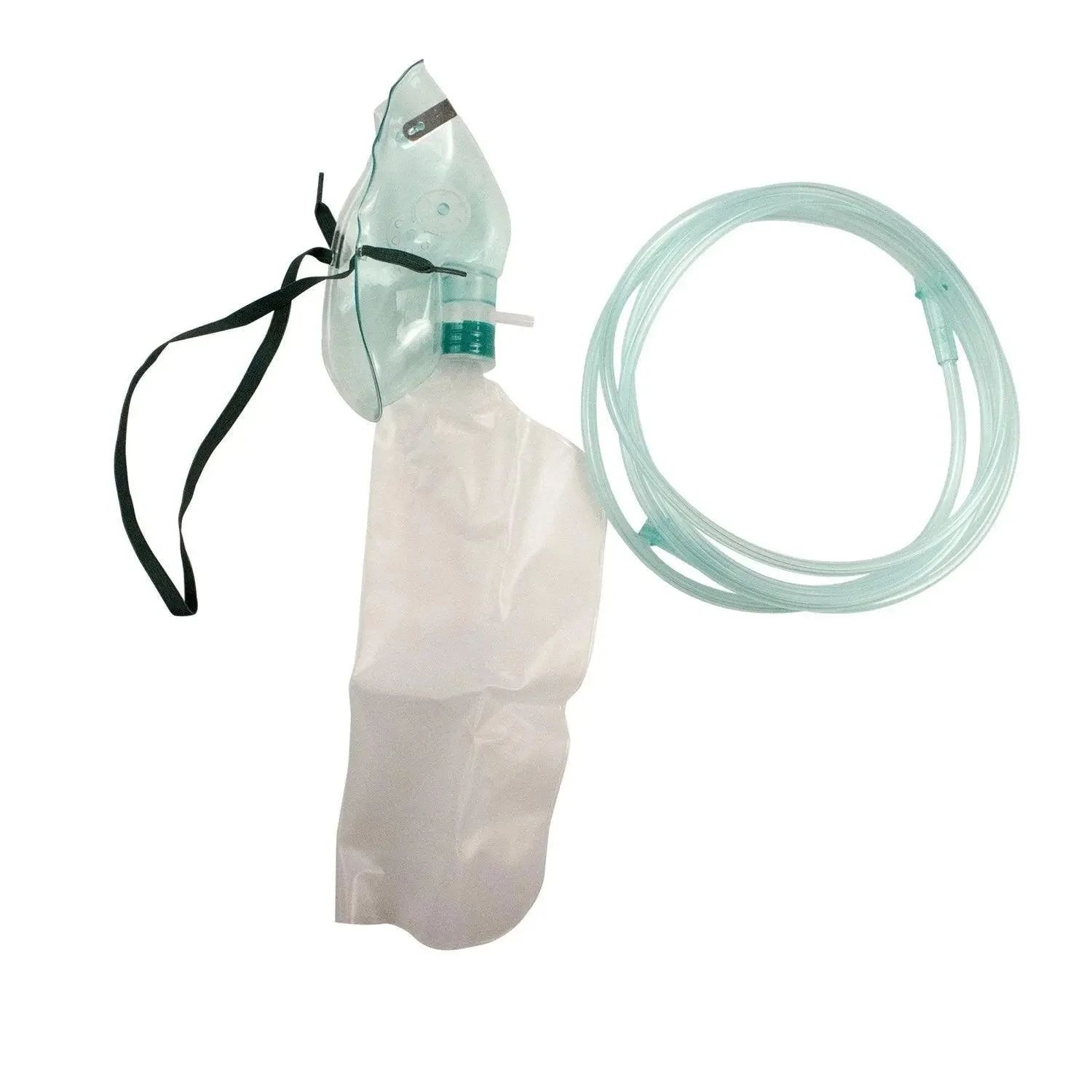
What is a Non-Rebreather Mask? The MED-TAC Non-Rebreather Mask (NRB) is a single-use, disposable high-flow oxygen delivery device for spontaneously breathing patients. The MED-TAC NRB (SKU: LX-NRB) includes a one-way exhalation valve, a reservoir bag that accumulates oxygen between breaths, and 7 feet of oxygen supply tubing. At a flow rate of 10–15 LPM, the device delivers approximately 60–80% fractional inspired oxygen (FiO₂) — the highest concentration achievable without intubation or a sealed circuit. Standard adult sizing. Essential for prehospital trauma care, emergency airway management, and any environment where supplemental oxygen therapy is indicated.
Key Specifications
| Specification | Detail |
|---|---|
| Manufacturer / Vendor | MED-TAC International |
| SKU | LX-NRB |
| Configuration | Single-use, disposable |
| Tubing Length | 7 ft (oxygen supply tubing) |
| Included Components | Mask body, one-way exhalation valve, reservoir bag, 7 ft O₂ tubing |
| FiO₂ Delivery (typical) | ~60–80% at 10–15 LPM oxygen flow |
| Minimum O₂ Flow Rate | 10–15 LPM (required to keep reservoir bag inflated) |
| Patient Type | Spontaneously breathing adult |
| Sizing | Standard adult |
| Valve Type | One-way exhalation (prevents rebreathing) |
| Reservoir Function | Accumulates O₂ between patient inhalations |
| Compatible Equipment | Any standard medical oxygen cylinder with regulator (standard O₂ barb fitting) |
Key Features
Clinical Overview: How the NRB Mask Works
The non-rebreather mask represents the upper boundary of non-invasive oxygen delivery for spontaneously breathing patients. Unlike simple face masks, which rely on mixing supplemental oxygen with entrained room air, the NRB mask's reservoir bag and one-way valve system isolates inspired gas from exhaled waste. The result is dramatically higher FiO₂ without advanced airway procedures.
The one-way valve at the junction of the reservoir bag and mask body prevents exhaled gas — which contains carbon dioxide and reduced oxygen concentration — from re-entering the reservoir. Between inhalations, the oxygen source continuously fills the reservoir bag, ensuring a full, oxygen-rich volume is available for the patient's next breath. At 10–15 LPM flow, the delivered FiO₂ approaches 60–80%, depending on mask fit, patient respiratory rate, and tidal volume.
This makes the NRB mask the appropriate device for any patient with significant hypoxia who retains spontaneous respiratory drive. It is the highest-acuity oxygen delivery tool available before escalating to bag-valve-mask (BVM) ventilation or definitive airway management. In tactical and prehospital settings governed by TCCC and TECC protocols, rapid oxygen delivery for respiratory distress, blast injury, smoke inhalation, and post-hemorrhagic hypoxia are key indications.
The 7-foot tubing provides adequate reach from a portable oxygen cylinder positioned at the patient's side or carried by an attendant, without creating tension on the mask that compromises the seal. For tactical and mobile oxygen delivery, pair the NRB mask with the MED-TAC Size D Oxygen Cylinder and Mini O₂ Regulator for a self-contained portable oxygen therapy system. Browse MED-TAC's complete Airway Management collection.
Who Uses the Non-Rebreather Mask?
The MED-TAC NRB mask is appropriate across the full spectrum of providers who carry supplemental oxygen. Its simple operation — connect tubing, inflate reservoir, apply mask — makes it accessible to trained and minimally trained responders alike.
- Tactical Combat Casualty Care (TCCC) Providers: Medics, PJs, and 18D Special Forces Medical Sergeants managing hypoxic trauma casualties in austere environments where supplemental oxygen is carried as part of the medical kit.
- Emergency Medical Services (EMS): BLS and ALS providers delivering prehospital oxygen therapy en route to definitive care. The NRB is a core component of EMS oxygen therapy protocols for respiratory distress, altered mental status, and post-trauma patients.
- Tactical Emergency Medical Support (TEMS) / TECC: Law enforcement medics and Rescue Task Force providers treating patients in warm and hot zones where rapid oxygen delivery without procedural airway intervention is the appropriate intervention level.
- Wilderness / Remote Medical: Expedition medics, search and rescue teams, and wilderness first responders who carry portable oxygen for altitude sickness, severe trauma, and respiratory emergencies far from definitive care.
- Fire / Hazmat: Firefighters and hazmat personnel managing smoke inhalation and carbon monoxide exposure, where high-concentration oxygen is the primary treatment modality.
- Industrial / Occupational Health: Facility emergency response teams and on-site medical personnel who maintain oxygen therapy capability for confined space rescue, toxic exposure, and trauma response.
- Austere / Operational Medicine: Ship-borne medical officers, forward surgical team staff, and remote clinic providers where a full oxygen delivery capability is required with limited equipment budget.
Oxygen Delivery Device Comparison
Understanding where the non-rebreather mask fits in the oxygen delivery hierarchy helps providers select the right device for each patient presentation.
| Device | Typical FiO₂ | O₂ Flow Rate | Key Indication |
|---|---|---|---|
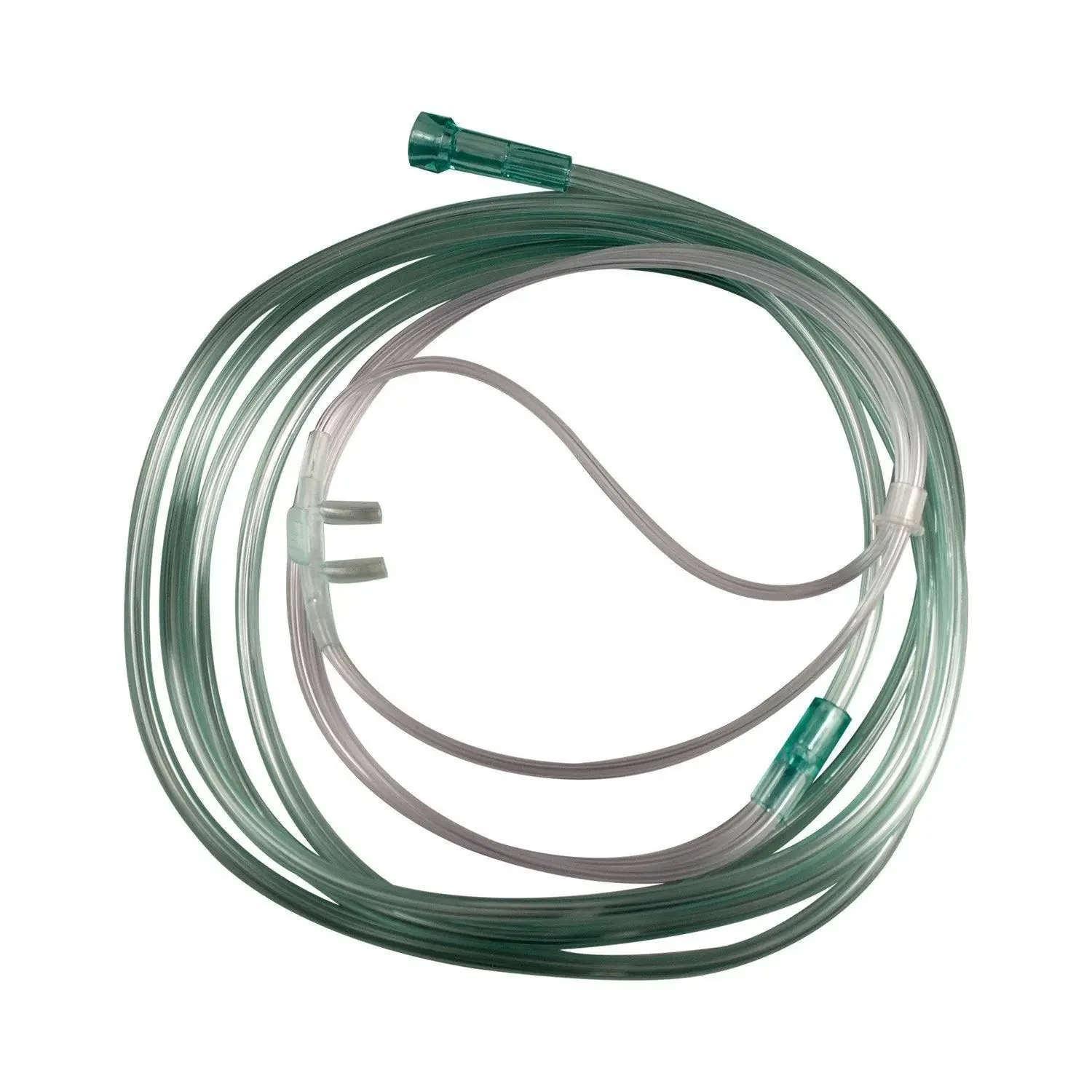
| Nasal Cannula | 24–44% | 1–6 LPM | Mild hypoxia, patient comfort, long-duration delivery |
| Simple Face Mask | 35–50% | 6–10 LPM | Moderate hypoxia, CO₂ retention is not a concern |
| Non-Rebreather Mask (NRB) | ~60–80% | 10–15 LPM | Severe hypoxia, CO poisoning, respiratory distress |
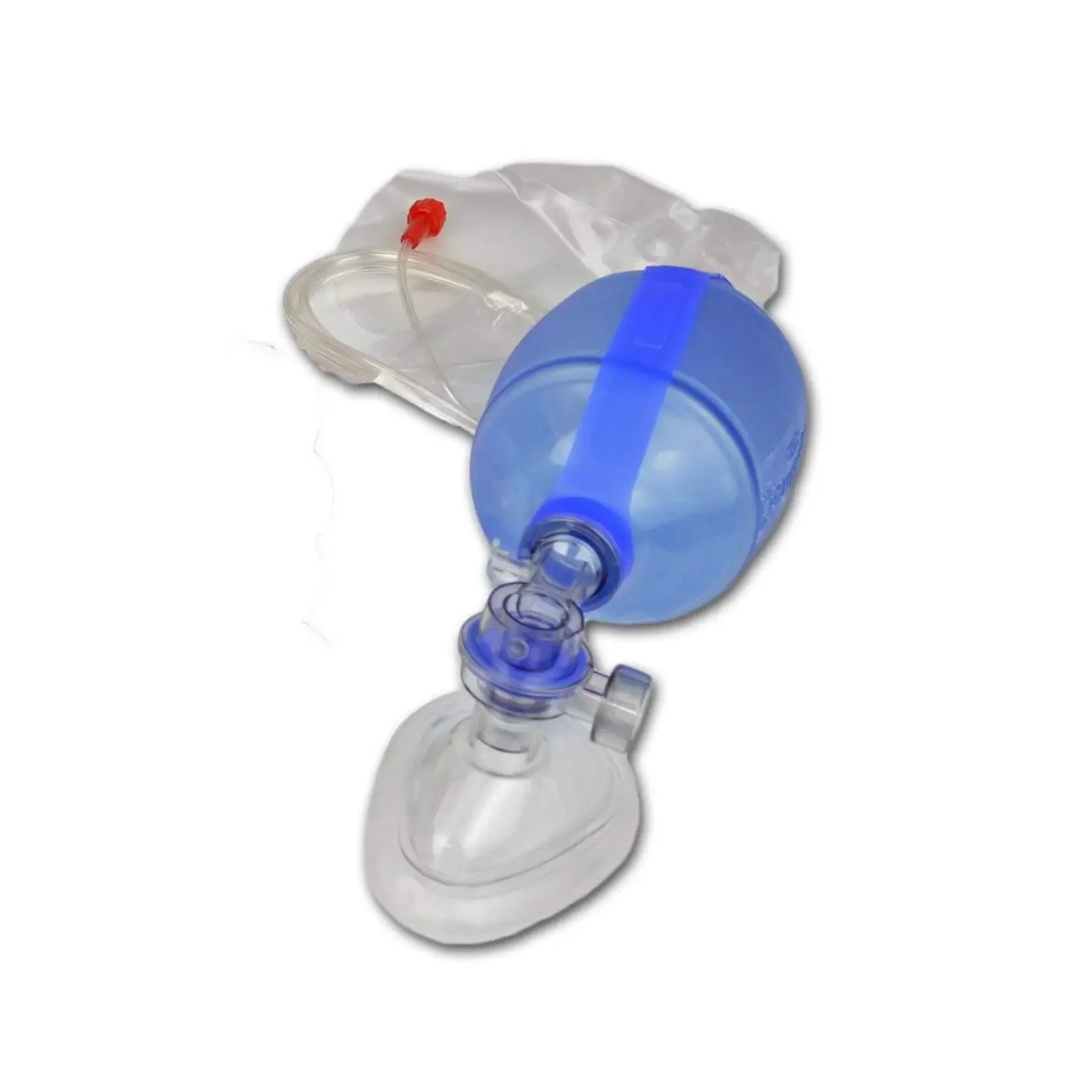
| Bag-Valve-Mask (BVM) | ~90–100% | 15 LPM | Inadequate respiratory drive; requires active ventilation |
| Intubation / CPAP | Up to 100% | Variable | Respiratory failure, airway protection, ALS/definitive care |
The NRB mask occupies the critical step between simple face mask oxygen and active ventilation — it is the highest-FiO₂ passive delivery option. When a patient has adequate respiratory drive but severe hypoxia, the NRB is the correct device. It avoids the procedural complexity and operator dependency of BVM and advanced airways while delivering substantially higher oxygen concentrations than simpler masks.
Clinical Indications and Applications
The NRB mask is indicated in any spontaneously breathing patient presenting with significant hypoxia. In prehospital and tactical environments, common applications include:
- Blast and penetrating trauma: Post-injury hypoxia, pneumothorax (after decompression), hemothorax, and pulmonary contusion all reduce oxygenation. Supplemental high-flow oxygen supports SpO₂ while other interventions are performed.
- Carbon monoxide poisoning: CO binds hemoglobin with approximately 240× the affinity of oxygen. 100% O₂ via NRB or BVM is the definitive prehospital treatment, accelerating displacement of CO from hemoglobin.
- Respiratory distress: Bronchospasm, asthma exacerbation, pulmonary edema, and allergic reactions with bronchospasm all benefit from high-concentration supplemental oxygen during initial stabilization.
- Altitude sickness / high-altitude pulmonary edema (HAPE): Descent combined with supplemental oxygen is the primary treatment. At altitude, the NRB mask's high FiO₂ delivers maximum benefit from limited O₂ supply.
- Smoke inhalation: Combined CO poisoning and airway irritation from combustion products. High-flow oxygen treats the CO component while the provider monitors for upper airway edema.
- Post-cardiac or respiratory arrest: Spontaneously breathing post-ROSC patients benefit from high-concentration oxygen delivery while en route to definitive care, with FiO₂ titrated per local protocol once SpO₂ monitoring is available.
- Drowning / near-drowning: Patients with aspiration-related hypoxia who retain respiratory drive are candidates for NRB oxygen therapy.
How to Use the Non-Rebreather Mask
Correct NRB mask application in five steps:
- Connect tubing. Attach the 7-foot oxygen tubing to the oxygen source (cylinder regulator or wall-mounted outlet).
- Set flow rate. Adjust the regulator to 10–15 LPM. Do not apply the mask before this step.
- Inflate reservoir bag. Occlude the exhalation ports briefly with your thumb to allow the reservoir bag to fully inflate. A fully inflated bag is required before mask placement.
- Apply mask. Place the mask over the patient's nose and mouth. Adjust the flexible nose clip to conform to the nasal bridge for a consistent seal. Secure with the elastic strap behind the head.
- Reassess. Monitor the reservoir bag during patient inhalation — it should deflate slightly with each breath but never fully collapse. If the bag fully collapses with each breath, increase the flow rate. Monitor SpO₂ when pulse oximetry is available.
Complete Oxygen Delivery System
The NRB mask is one component of a complete portable oxygen therapy system. For tactical and prehospital applications, MED-TAC offers the complete oxygen delivery stack:
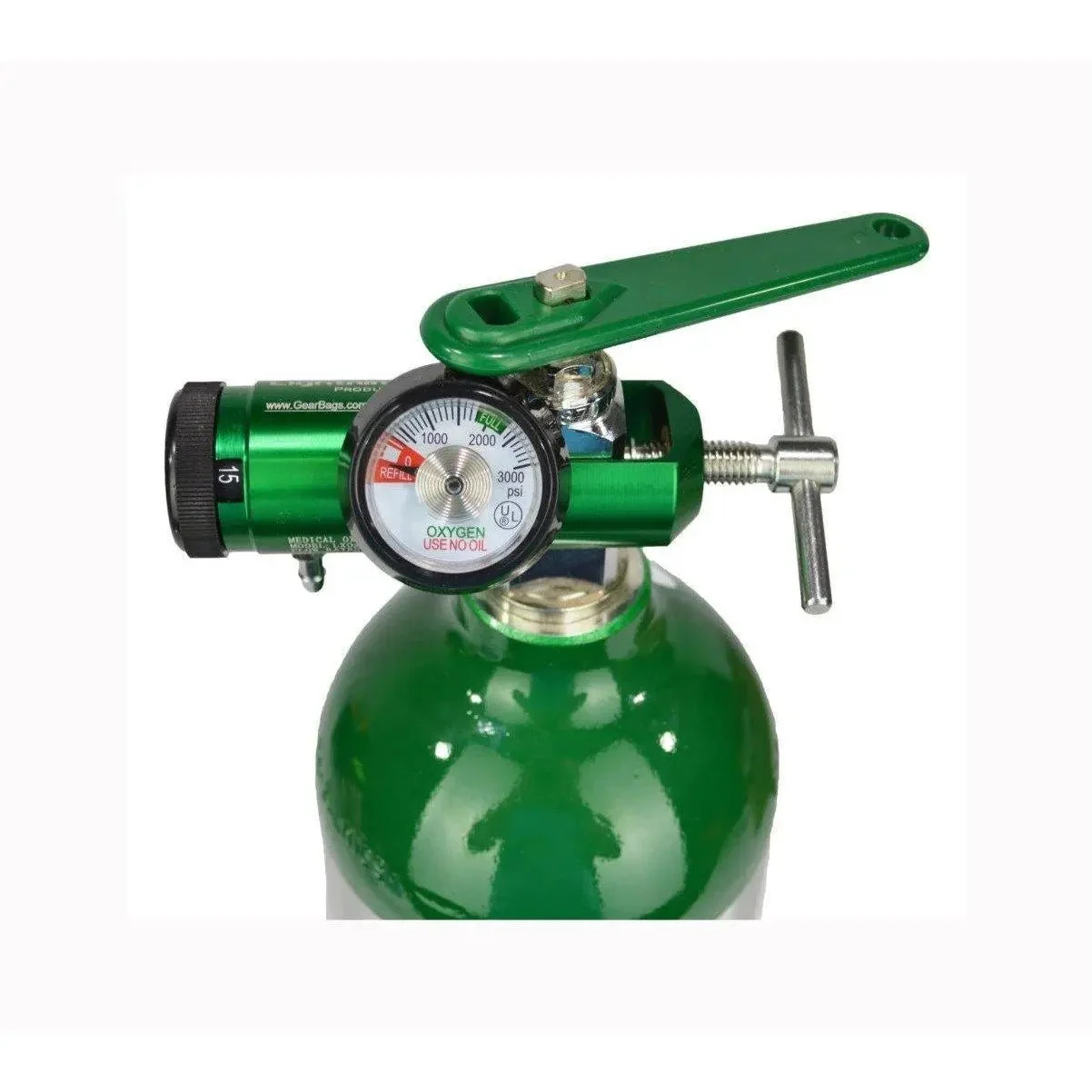
- Oxygen Source: MED-TAC Size D Oxygen Cylinder — the standard portable cylinder for EMS, TEMS, and tactical medical bags
- Regulator: Mini O₂ Regulator — compact, lightweight, designed for portable cylinders; provides adjustable LPM flow including the 10–15 LPM range required for NRB operation
- Delivery Device: The MED-TAC Non-Rebreather Mask (LX-NRB) — connects directly to the regulator via standard O₂ barb fitting
For complete airway management capability, see MED-TAC's full Airway Management Kits and Supplies collection. For pre-built trauma and medical kits that include oxygen delivery capability, see IFAK Kits and First Aid.
Frequently Asked Questions
What flow rate is needed to use a non-rebreather mask correctly?
A minimum of 10 LPM is required to keep the reservoir bag inflated. Most protocols recommend 10–15 LPM. Lower flow rates cause the reservoir bag to collapse between breaths, which means the patient inspires room air rather than oxygen. If the bag is fully collapsing with each breath, increase the flow rate.
What FiO₂ does a non-rebreather mask deliver?
Approximately 60–80% at a flow rate of 10–15 LPM with a properly fitted mask. The exact FiO₂ depends on mask seal quality, patient respiratory rate, and tidal volume. A poorly fitting mask that allows room air entrainment will reduce delivered FiO₂. By comparison, a nasal cannula at 6 LPM delivers approximately 44%, and a simple face mask at 10 LPM delivers approximately 50%.
Can the non-rebreather mask be used on unconscious patients?
The NRB mask is designed for spontaneously breathing patients only. An unconscious patient without adequate respiratory drive requires bag-valve-mask (BVM) ventilation or definitive airway management. An unconscious patient with preserved spontaneous breathing may have the mask applied, but the provider must closely monitor respiratory rate and tidal volume, and be prepared to transition to BVM if respiratory effort deteriorates.
Is the MED-TAC NRB mask reusable?
No. This is a single-use, disposable device. Reuse introduces contamination risk from exhaled patient secretions and is not recommended. Each unit is individually packaged. Stock multiples in trauma bags and oxygen kits to ensure availability.
What oxygen cylinder is compatible with the MED-TAC NRB mask?
The NRB mask connects via a standard medical oxygen barb fitting and is compatible with any medical oxygen cylinder paired with a standard regulator (with flow adjustment to 10–15 LPM). The MED-TAC Size D Cylinder with Mini O₂ Regulator is the recommended pairing for prehospital and tactical applications.
How does a non-rebreather differ from a partial rebreather mask?
Both devices use a reservoir bag. The key difference is the one-way valve: the NRB mask's one-way valve prevents exhaled air from entering the reservoir, keeping the bag filled with source oxygen. A partial rebreather (which lacks this valve) allows the first portion of each exhalation — dead space air with relatively low CO₂ — back into the reservoir, resulting in lower FiO₂ than a true NRB. For maximum oxygen delivery, the NRB mask is preferred.
When is a non-rebreather mask used in TCCC / MARCH protocol?
In TCCC and TECC protocols, the NRB mask addresses the "A" (Airway) and supports "R" (Respiration) phases of the MARCH algorithm. Supplemental high-flow oxygen is indicated for penetrating thoracic injuries with hypoxia, tension pneumothorax after needle decompression, blast injury with respiratory compromise, and any patient demonstrating signs of hypoxia in a setting where oxygen is available. See MED-TAC's complete Airway Management collection for the full range of airway adjuncts.
Description
What is a Non-Rebreather Mask? The MED-TAC Non-Rebreather Mask (NRB) is a single-use, disposable high-flow oxygen delivery device for spontaneously breathing patients. The MED-TAC NRB (SKU: LX-NRB) includes a one-way exhalation valve, a reservoir bag that accumulates oxygen between breaths, and 7 feet of oxygen supply tubing. At a flow rate of 10–15 LPM, the device delivers approximately 60–80% fractional inspired oxygen (FiO₂) — the highest concentration achievable without intubation or a sealed circuit. Standard adult sizing. Essential for prehospital trauma care, emergency airway management, and any environment where supplemental oxygen therapy is indicated.
Key Specifications
| Specification | Detail |
|---|---|
| Manufacturer / Vendor | MED-TAC International |
| SKU | LX-NRB |
| Configuration | Single-use, disposable |
| Tubing Length | 7 ft (oxygen supply tubing) |
| Included Components | Mask body, one-way exhalation valve, reservoir bag, 7 ft O₂ tubing |
| FiO₂ Delivery (typical) | ~60–80% at 10–15 LPM oxygen flow |
| Minimum O₂ Flow Rate | 10–15 LPM (required to keep reservoir bag inflated) |
| Patient Type | Spontaneously breathing adult |
| Sizing | Standard adult |
| Valve Type | One-way exhalation (prevents rebreathing) |
| Reservoir Function | Accumulates O₂ between patient inhalations |
| Compatible Equipment | Any standard medical oxygen cylinder with regulator (standard O₂ barb fitting) |
Key Features
Clinical Overview: How the NRB Mask Works
The non-rebreather mask represents the upper boundary of non-invasive oxygen delivery for spontaneously breathing patients. Unlike simple face masks, which rely on mixing supplemental oxygen with entrained room air, the NRB mask's reservoir bag and one-way valve system isolates inspired gas from exhaled waste. The result is dramatically higher FiO₂ without advanced airway procedures.
The one-way valve at the junction of the reservoir bag and mask body prevents exhaled gas — which contains carbon dioxide and reduced oxygen concentration — from re-entering the reservoir. Between inhalations, the oxygen source continuously fills the reservoir bag, ensuring a full, oxygen-rich volume is available for the patient's next breath. At 10–15 LPM flow, the delivered FiO₂ approaches 60–80%, depending on mask fit, patient respiratory rate, and tidal volume.
This makes the NRB mask the appropriate device for any patient with significant hypoxia who retains spontaneous respiratory drive. It is the highest-acuity oxygen delivery tool available before escalating to bag-valve-mask (BVM) ventilation or definitive airway management. In tactical and prehospital settings governed by TCCC and TECC protocols, rapid oxygen delivery for respiratory distress, blast injury, smoke inhalation, and post-hemorrhagic hypoxia are key indications.
The 7-foot tubing provides adequate reach from a portable oxygen cylinder positioned at the patient's side or carried by an attendant, without creating tension on the mask that compromises the seal. For tactical and mobile oxygen delivery, pair the NRB mask with the MED-TAC Size D Oxygen Cylinder and Mini O₂ Regulator for a self-contained portable oxygen therapy system. Browse MED-TAC's complete Airway Management collection.
Who Uses the Non-Rebreather Mask?
The MED-TAC NRB mask is appropriate across the full spectrum of providers who carry supplemental oxygen. Its simple operation — connect tubing, inflate reservoir, apply mask — makes it accessible to trained and minimally trained responders alike.
- Tactical Combat Casualty Care (TCCC) Providers: Medics, PJs, and 18D Special Forces Medical Sergeants managing hypoxic trauma casualties in austere environments where supplemental oxygen is carried as part of the medical kit.
- Emergency Medical Services (EMS): BLS and ALS providers delivering prehospital oxygen therapy en route to definitive care. The NRB is a core component of EMS oxygen therapy protocols for respiratory distress, altered mental status, and post-trauma patients.
- Tactical Emergency Medical Support (TEMS) / TECC: Law enforcement medics and Rescue Task Force providers treating patients in warm and hot zones where rapid oxygen delivery without procedural airway intervention is the appropriate intervention level.
- Wilderness / Remote Medical: Expedition medics, search and rescue teams, and wilderness first responders who carry portable oxygen for altitude sickness, severe trauma, and respiratory emergencies far from definitive care.
- Fire / Hazmat: Firefighters and hazmat personnel managing smoke inhalation and carbon monoxide exposure, where high-concentration oxygen is the primary treatment modality.
- Industrial / Occupational Health: Facility emergency response teams and on-site medical personnel who maintain oxygen therapy capability for confined space rescue, toxic exposure, and trauma response.
- Austere / Operational Medicine: Ship-borne medical officers, forward surgical team staff, and remote clinic providers where a full oxygen delivery capability is required with limited equipment budget.
Oxygen Delivery Device Comparison
Understanding where the non-rebreather mask fits in the oxygen delivery hierarchy helps providers select the right device for each patient presentation.
| Device | Typical FiO₂ | O₂ Flow Rate | Key Indication |
|---|---|---|---|
| Nasal Cannula | 24–44% | 1–6 LPM | Mild hypoxia, patient comfort, long-duration delivery |
| Simple Face Mask | 35–50% | 6–10 LPM | Moderate hypoxia, CO₂ retention is not a concern |
| Non-Rebreather Mask (NRB) | ~60–80% | 10–15 LPM | Severe hypoxia, CO poisoning, respiratory distress |
| Bag-Valve-Mask (BVM) | ~90–100% | 15 LPM | Inadequate respiratory drive; requires active ventilation |
| Intubation / CPAP | Up to 100% | Variable | Respiratory failure, airway protection, ALS/definitive care |
The NRB mask occupies the critical step between simple face mask oxygen and active ventilation — it is the highest-FiO₂ passive delivery option. When a patient has adequate respiratory drive but severe hypoxia, the NRB is the correct device. It avoids the procedural complexity and operator dependency of BVM and advanced airways while delivering substantially higher oxygen concentrations than simpler masks.
Clinical Indications and Applications
The NRB mask is indicated in any spontaneously breathing patient presenting with significant hypoxia. In prehospital and tactical environments, common applications include:
- Blast and penetrating trauma: Post-injury hypoxia, pneumothorax (after decompression), hemothorax, and pulmonary contusion all reduce oxygenation. Supplemental high-flow oxygen supports SpO₂ while other interventions are performed.
- Carbon monoxide poisoning: CO binds hemoglobin with approximately 240× the affinity of oxygen. 100% O₂ via NRB or BVM is the definitive prehospital treatment, accelerating displacement of CO from hemoglobin.
- Respiratory distress: Bronchospasm, asthma exacerbation, pulmonary edema, and allergic reactions with bronchospasm all benefit from high-concentration supplemental oxygen during initial stabilization.
- Altitude sickness / high-altitude pulmonary edema (HAPE): Descent combined with supplemental oxygen is the primary treatment. At altitude, the NRB mask's high FiO₂ delivers maximum benefit from limited O₂ supply.
- Smoke inhalation: Combined CO poisoning and airway irritation from combustion products. High-flow oxygen treats the CO component while the provider monitors for upper airway edema.
- Post-cardiac or respiratory arrest: Spontaneously breathing post-ROSC patients benefit from high-concentration oxygen delivery while en route to definitive care, with FiO₂ titrated per local protocol once SpO₂ monitoring is available.
- Drowning / near-drowning: Patients with aspiration-related hypoxia who retain respiratory drive are candidates for NRB oxygen therapy.
How to Use the Non-Rebreather Mask
Correct NRB mask application in five steps:
- Connect tubing. Attach the 7-foot oxygen tubing to the oxygen source (cylinder regulator or wall-mounted outlet).
- Set flow rate. Adjust the regulator to 10–15 LPM. Do not apply the mask before this step.
- Inflate reservoir bag. Occlude the exhalation ports briefly with your thumb to allow the reservoir bag to fully inflate. A fully inflated bag is required before mask placement.
- Apply mask. Place the mask over the patient's nose and mouth. Adjust the flexible nose clip to conform to the nasal bridge for a consistent seal. Secure with the elastic strap behind the head.
- Reassess. Monitor the reservoir bag during patient inhalation — it should deflate slightly with each breath but never fully collapse. If the bag fully collapses with each breath, increase the flow rate. Monitor SpO₂ when pulse oximetry is available.
Complete Oxygen Delivery System
The NRB mask is one component of a complete portable oxygen therapy system. For tactical and prehospital applications, MED-TAC offers the complete oxygen delivery stack:
- Oxygen Source: MED-TAC Size D Oxygen Cylinder — the standard portable cylinder for EMS, TEMS, and tactical medical bags
- Regulator: Mini O₂ Regulator — compact, lightweight, designed for portable cylinders; provides adjustable LPM flow including the 10–15 LPM range required for NRB operation
- Delivery Device: The MED-TAC Non-Rebreather Mask (LX-NRB) — connects directly to the regulator via standard O₂ barb fitting
For complete airway management capability, see MED-TAC's full Airway Management Kits and Supplies collection. For pre-built trauma and medical kits that include oxygen delivery capability, see IFAK Kits and First Aid.
Frequently Asked Questions
What flow rate is needed to use a non-rebreather mask correctly?
A minimum of 10 LPM is required to keep the reservoir bag inflated. Most protocols recommend 10–15 LPM. Lower flow rates cause the reservoir bag to collapse between breaths, which means the patient inspires room air rather than oxygen. If the bag is fully collapsing with each breath, increase the flow rate.
What FiO₂ does a non-rebreather mask deliver?
Approximately 60–80% at a flow rate of 10–15 LPM with a properly fitted mask. The exact FiO₂ depends on mask seal quality, patient respiratory rate, and tidal volume. A poorly fitting mask that allows room air entrainment will reduce delivered FiO₂. By comparison, a nasal cannula at 6 LPM delivers approximately 44%, and a simple face mask at 10 LPM delivers approximately 50%.
Can the non-rebreather mask be used on unconscious patients?
The NRB mask is designed for spontaneously breathing patients only. An unconscious patient without adequate respiratory drive requires bag-valve-mask (BVM) ventilation or definitive airway management. An unconscious patient with preserved spontaneous breathing may have the mask applied, but the provider must closely monitor respiratory rate and tidal volume, and be prepared to transition to BVM if respiratory effort deteriorates.
Is the MED-TAC NRB mask reusable?
No. This is a single-use, disposable device. Reuse introduces contamination risk from exhaled patient secretions and is not recommended. Each unit is individually packaged. Stock multiples in trauma bags and oxygen kits to ensure availability.
What oxygen cylinder is compatible with the MED-TAC NRB mask?
The NRB mask connects via a standard medical oxygen barb fitting and is compatible with any medical oxygen cylinder paired with a standard regulator (with flow adjustment to 10–15 LPM). The MED-TAC Size D Cylinder with Mini O₂ Regulator is the recommended pairing for prehospital and tactical applications.
How does a non-rebreather differ from a partial rebreather mask?
Both devices use a reservoir bag. The key difference is the one-way valve: the NRB mask's one-way valve prevents exhaled air from entering the reservoir, keeping the bag filled with source oxygen. A partial rebreather (which lacks this valve) allows the first portion of each exhalation — dead space air with relatively low CO₂ — back into the reservoir, resulting in lower FiO₂ than a true NRB. For maximum oxygen delivery, the NRB mask is preferred.
When is a non-rebreather mask used in TCCC / MARCH protocol?
In TCCC and TECC protocols, the NRB mask addresses the "A" (Airway) and supports "R" (Respiration) phases of the MARCH algorithm. Supplemental high-flow oxygen is indicated for penetrating thoracic injuries with hypoxia, tension pneumothorax after needle decompression, blast injury with respiratory compromise, and any patient demonstrating signs of hypoxia in a setting where oxygen is available. See MED-TAC's complete Airway Management collection for the full range of airway adjuncts.