✨ New Arrivals Just Dropped!Explore
Select Size
From $2.38
Original: $7.95
-70%Adjustable Flange Nasopharyngeal Airway—
$7.95
$2.38The Story
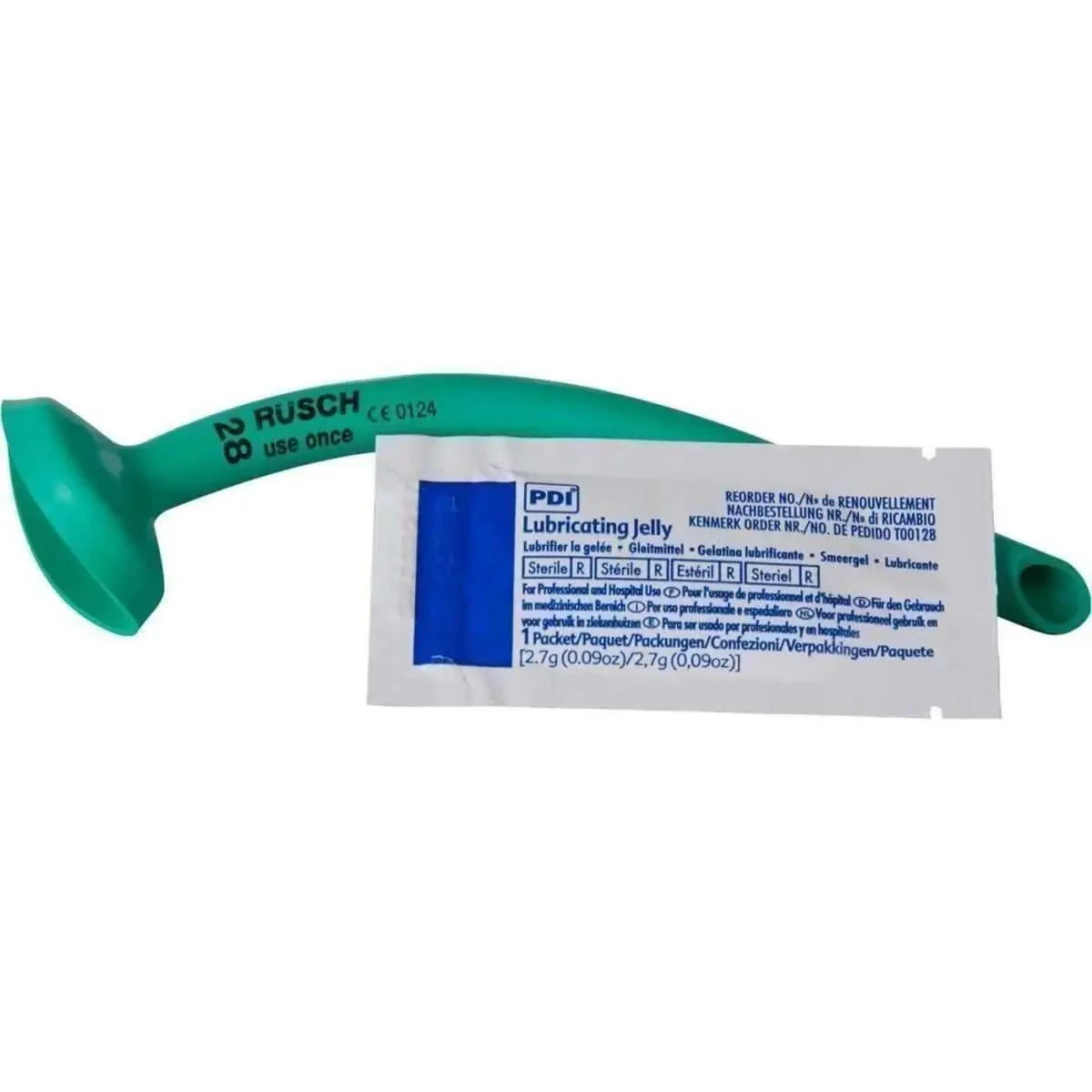
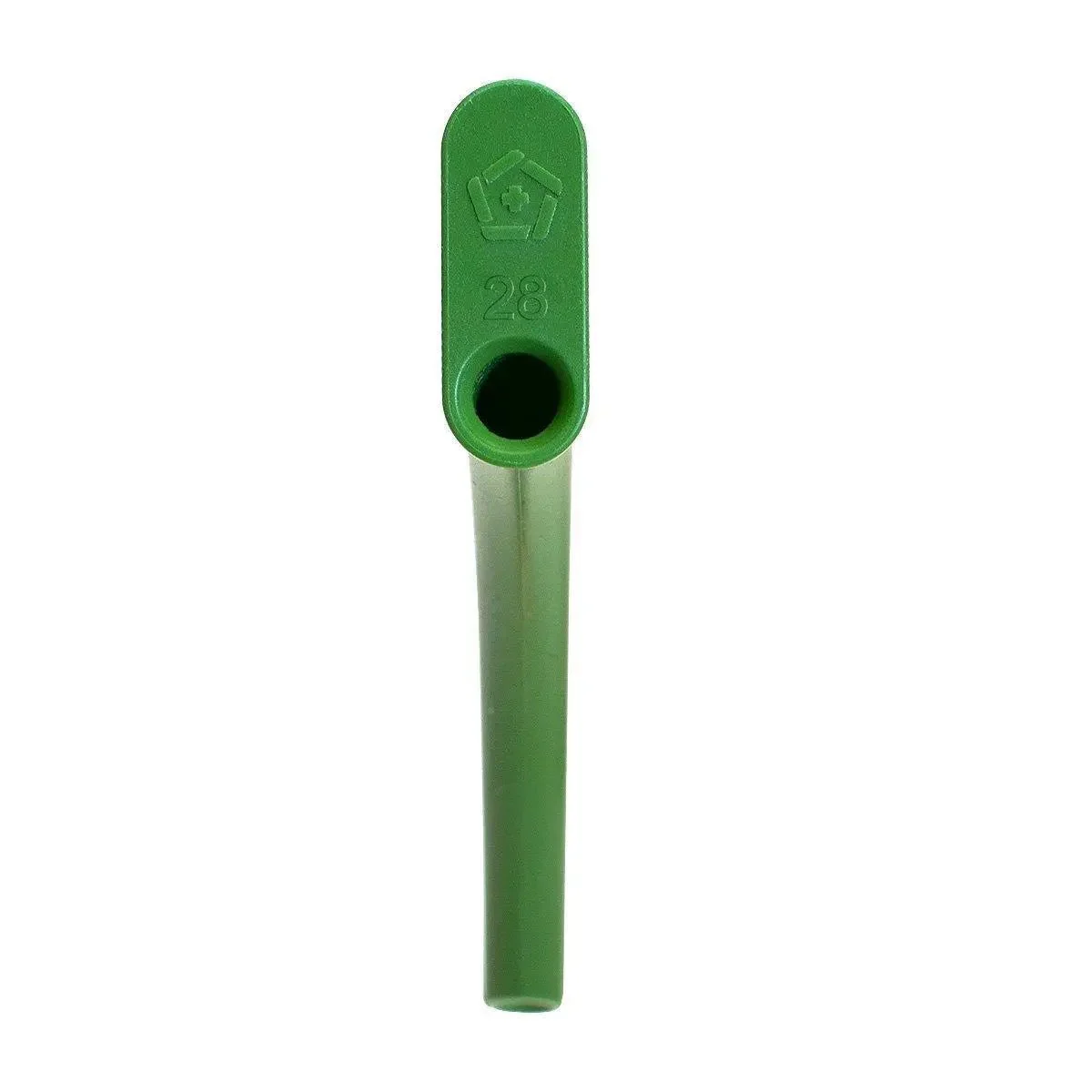
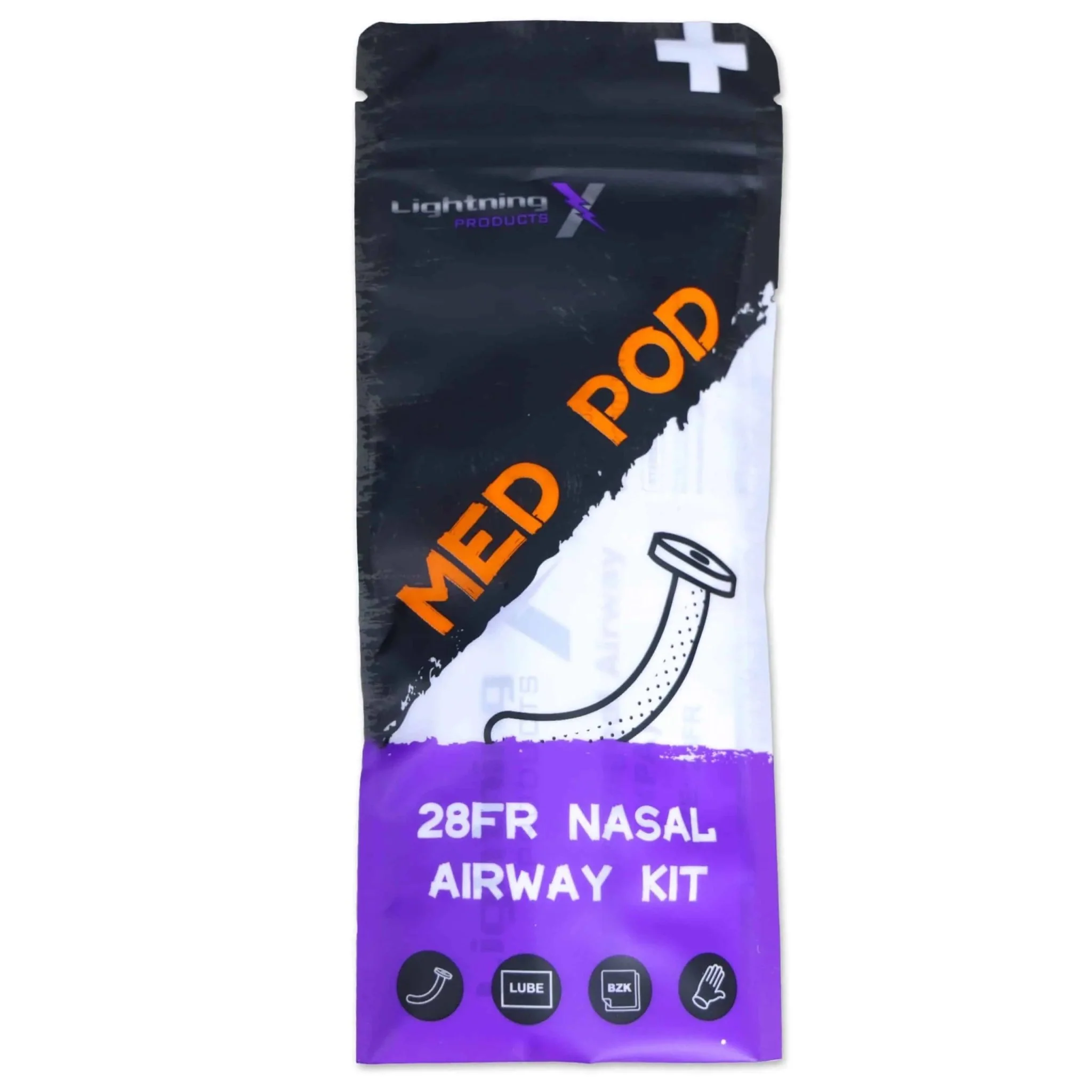
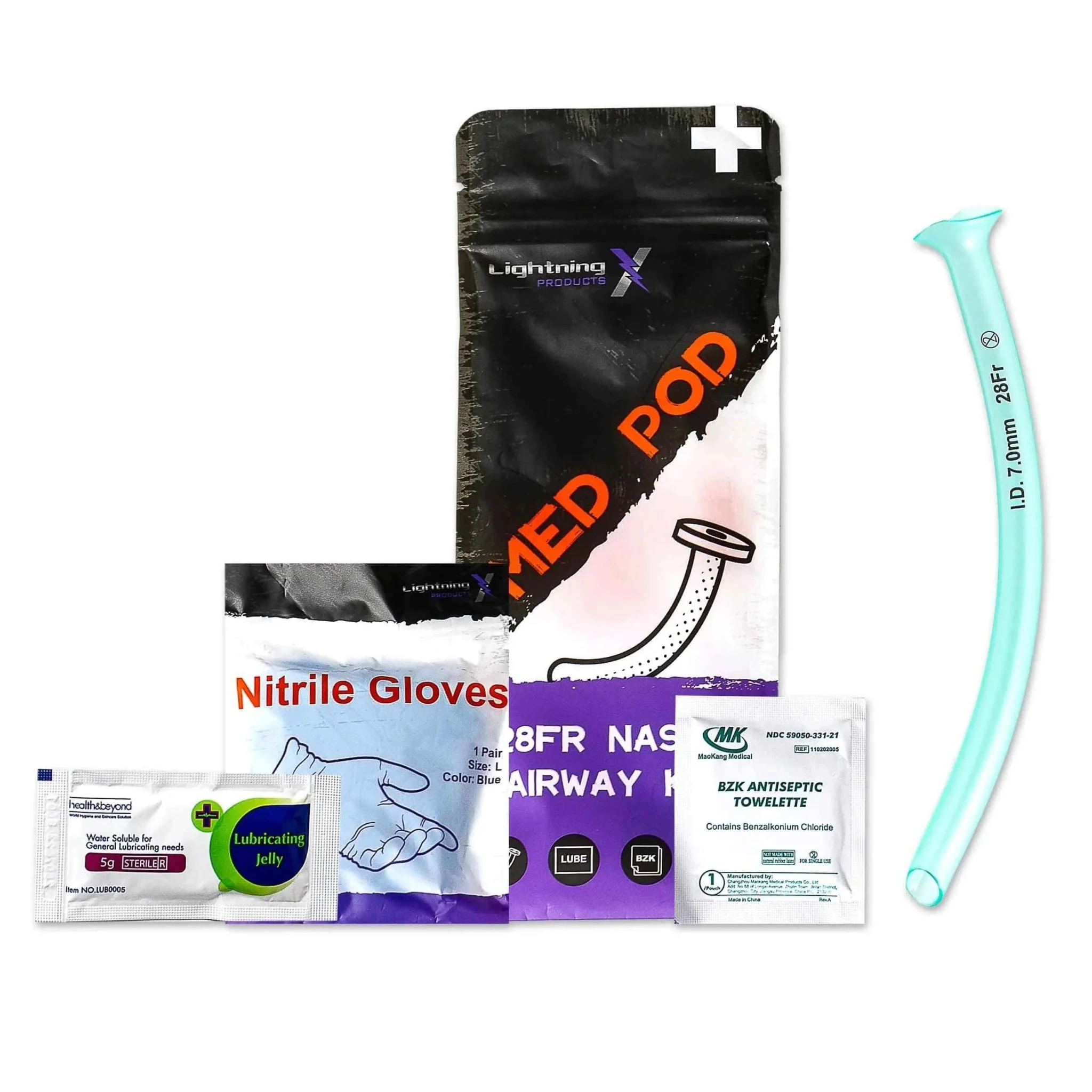
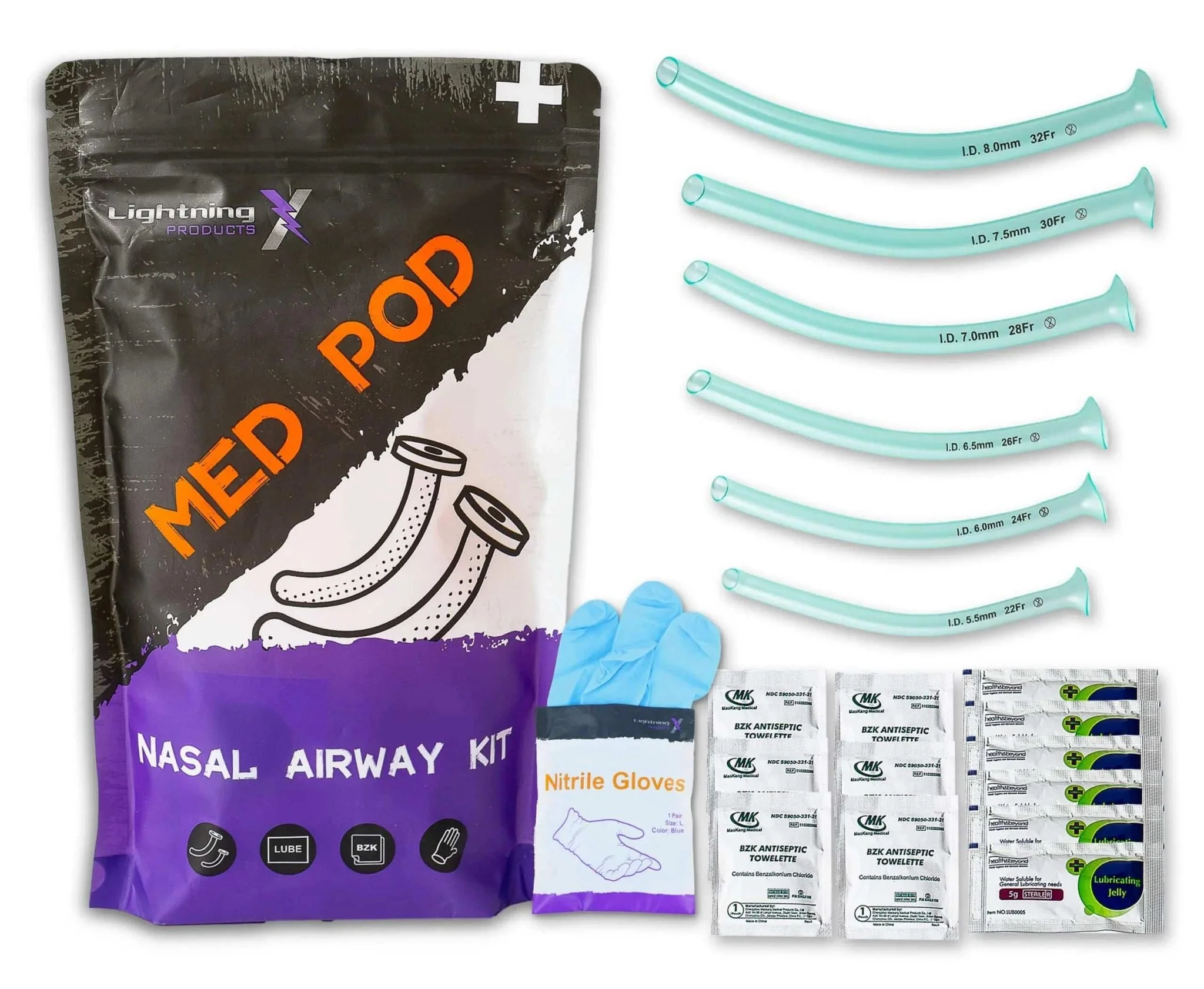
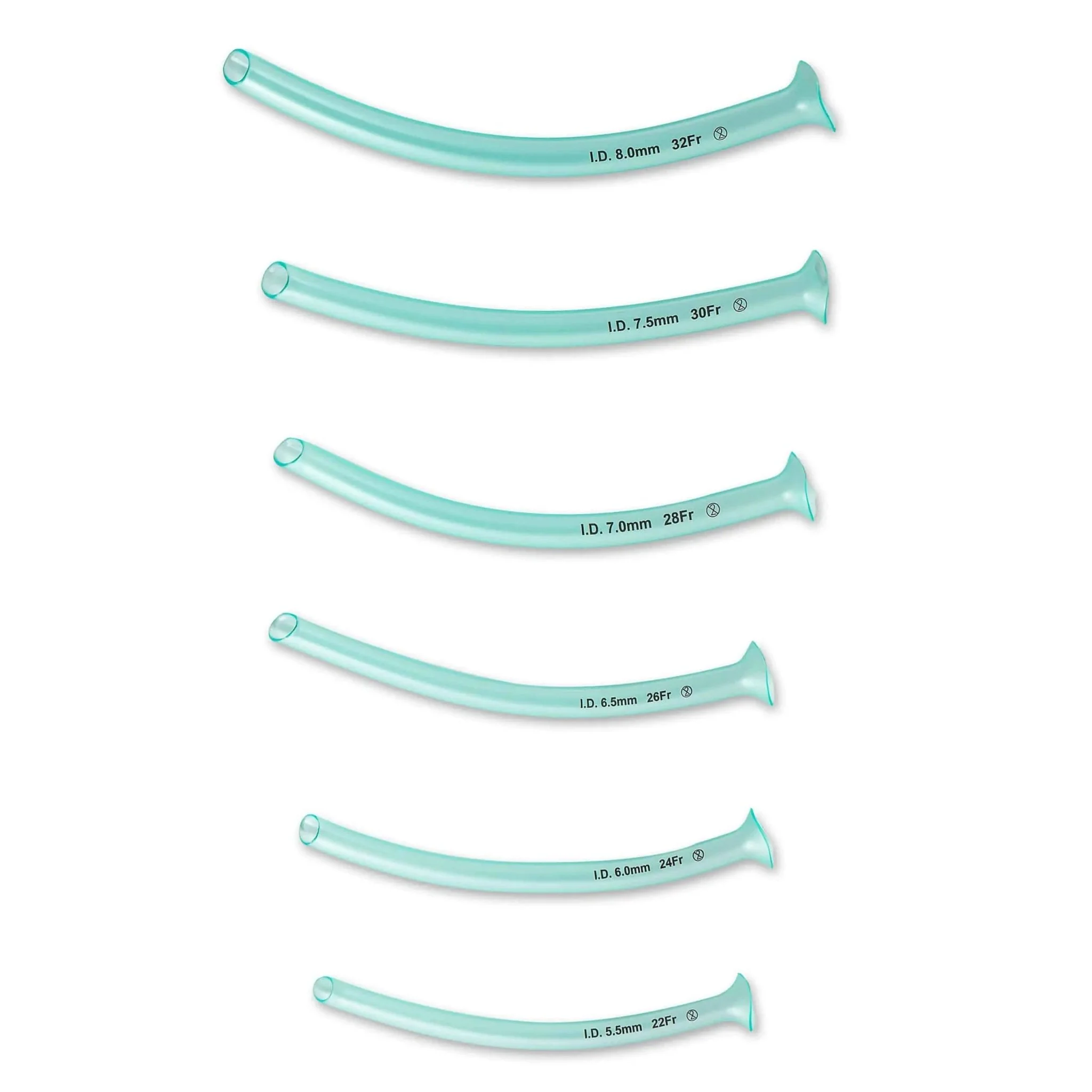
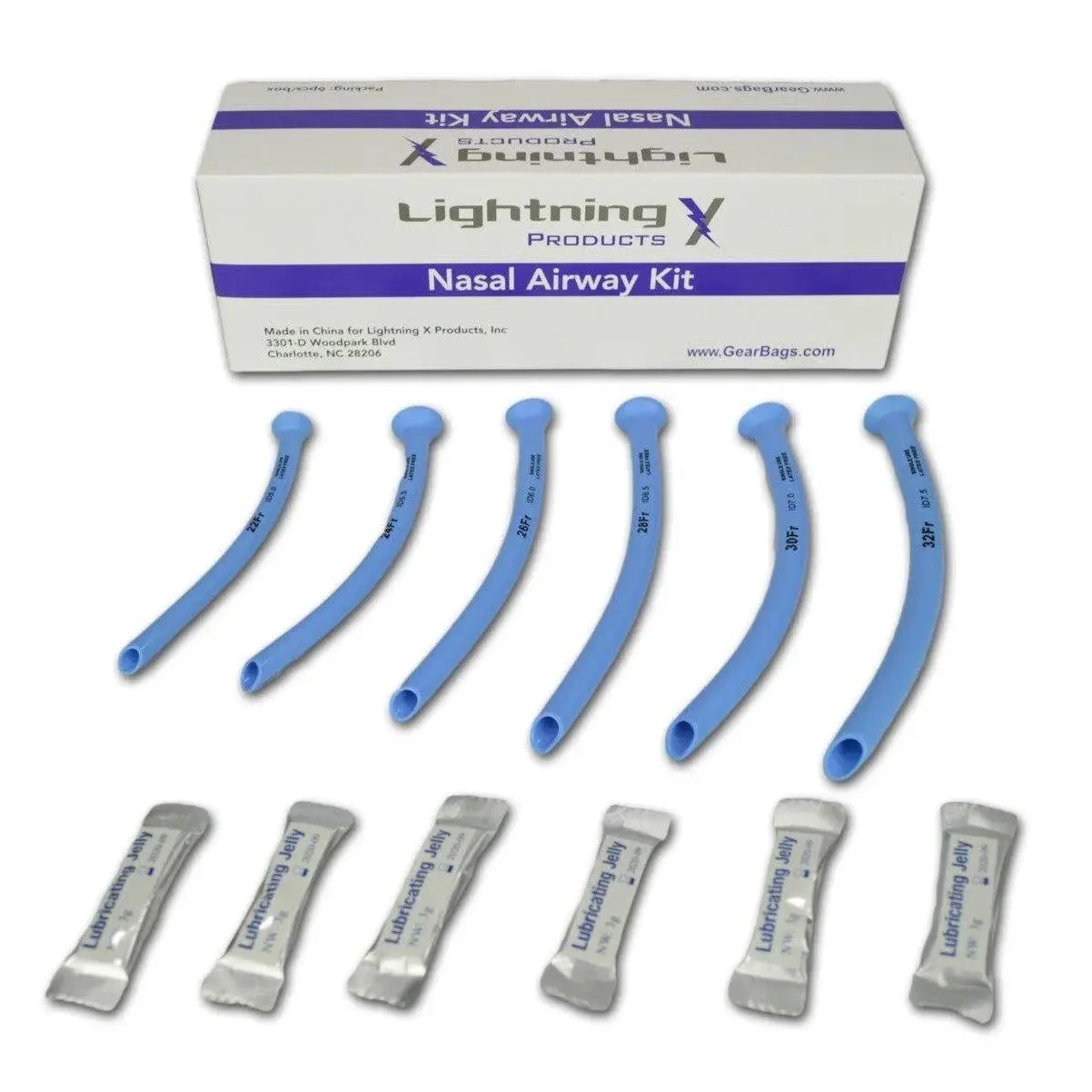
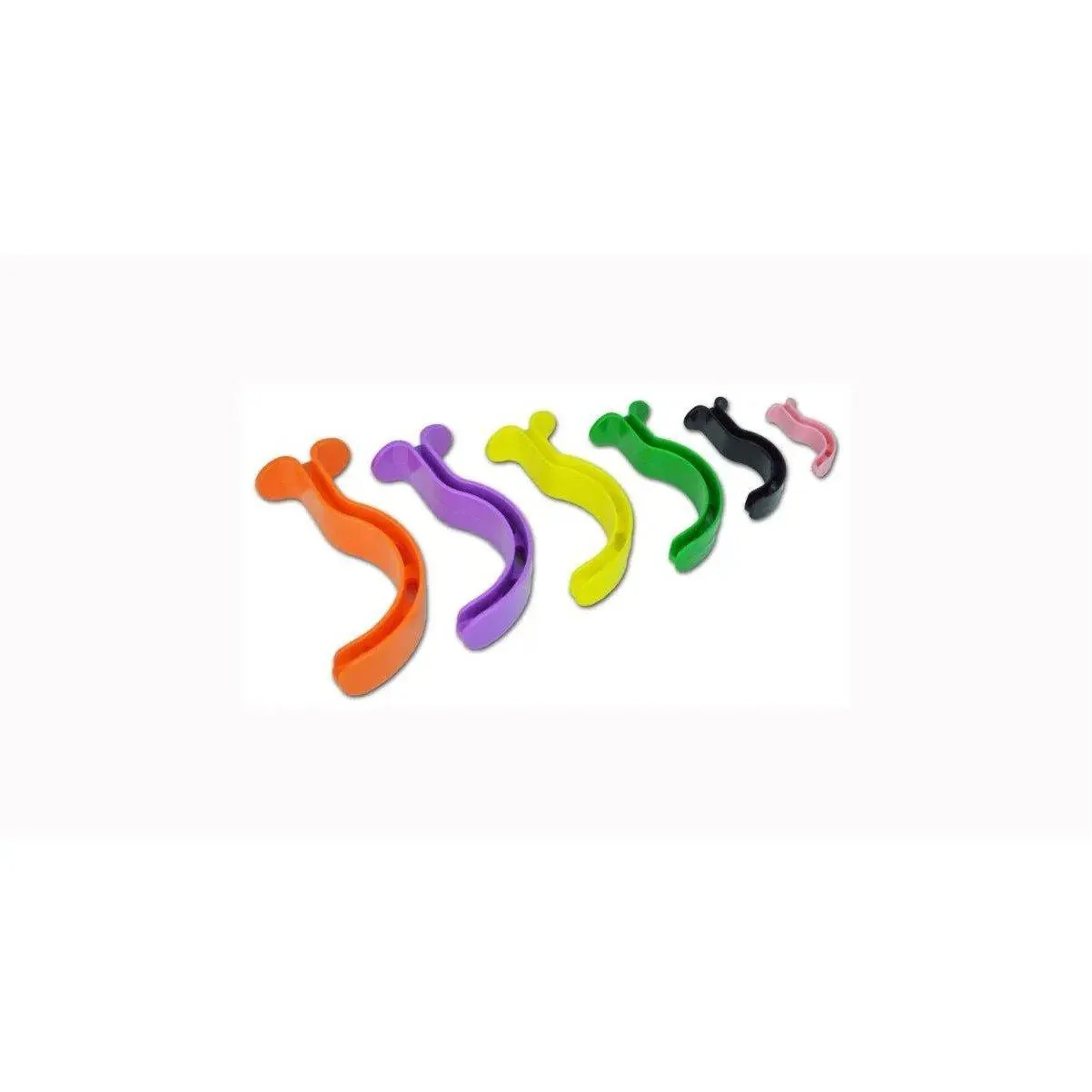
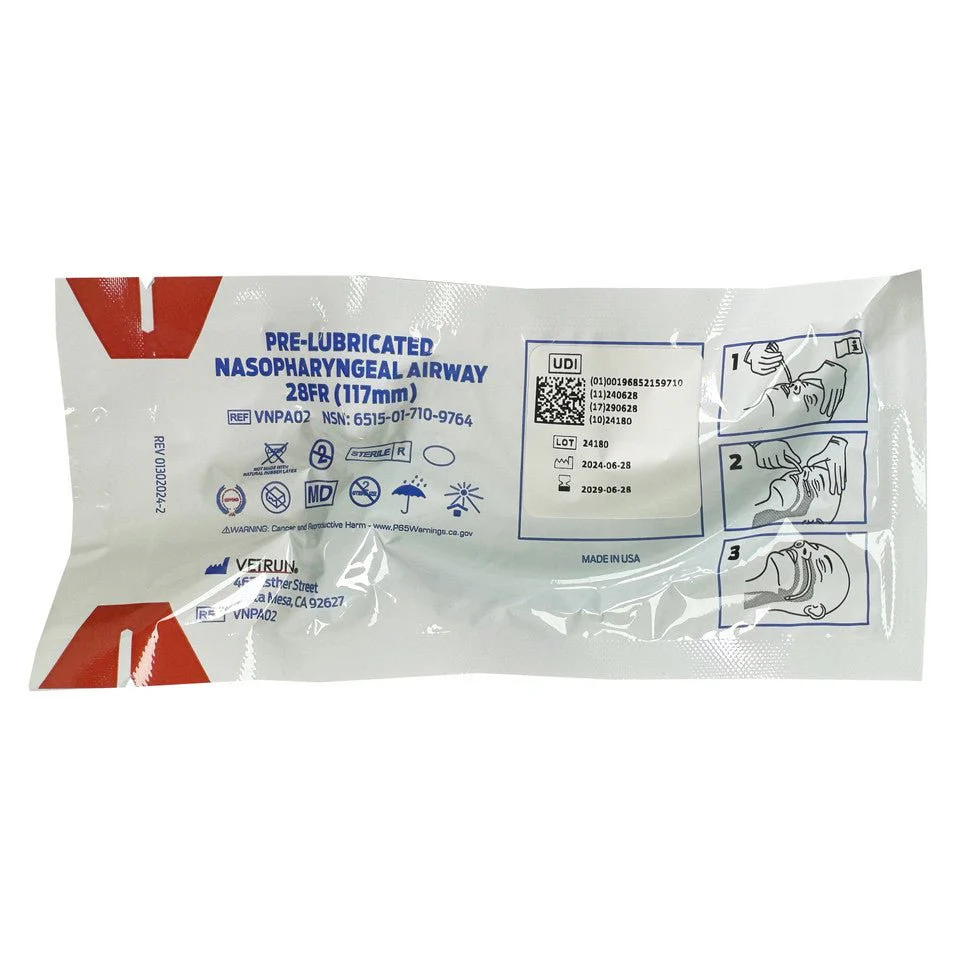
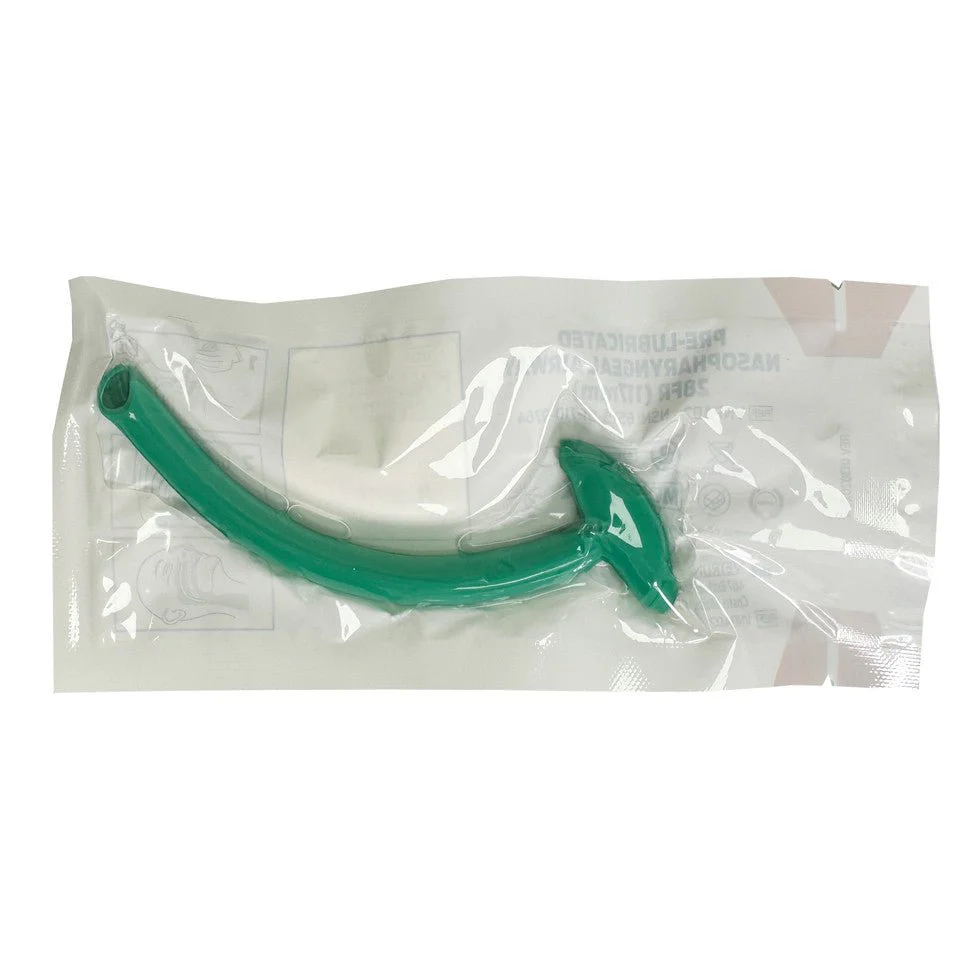
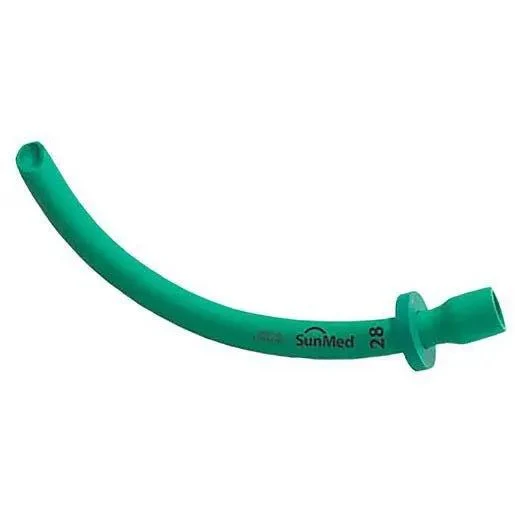
What is the Adjustable Flange Nasopharyngeal Airway? The Adjustable Flange Nasopharyngeal Airway (NPA) by Sunmed is a single-use, sterile airway adjunct made from Neoprene® — latex-free with atraumatic tips for smooth nasal insertion. The adjustable flange allows precise depth positioning to prevent gag reflex and improve comfort. Available in 22 Fr, 24 Fr, 26 Fr, and 28 Fr sizes (–), this NPA is a TCCC-recommended airway management tool for trauma casualties with airway obstruction or altered consciousness.
Key Specifications
| Specification | Detail | ||
|---|---|---|---|
| 24 Fr | MEDTAC1009 | ~8.0 mm | Average female, smaller male |
| 26 Fr | MEDTAC1010 | ~8.7 mm | Average adult male, medium build |
| 28 Fr | MEDTAC1011 | ~9.3 mm | Large adult male, large build |
Contraindications
Absolute Contraindications (Do Not Insert NPA):
- Suspected basilar skull fracture — signs include Battle's sign (bruising behind the ear), raccoon eyes (periorbital bruising), clear fluid from ears or nose (CSF leak). Intracranial placement risk.
- Significant midface trauma — disruption of nasopharynx or roof of mouth — risk of intracranial placement
- Known facial/nasal fractures in the insertion path
- Suspected epiglottitis
- Large nasal polyps or obstructing nasal pathology
- Recent nasal or sinus surgery
- Coagulopathy or anticoagulant therapy (increased epistaxis risk)
Insertion Technique
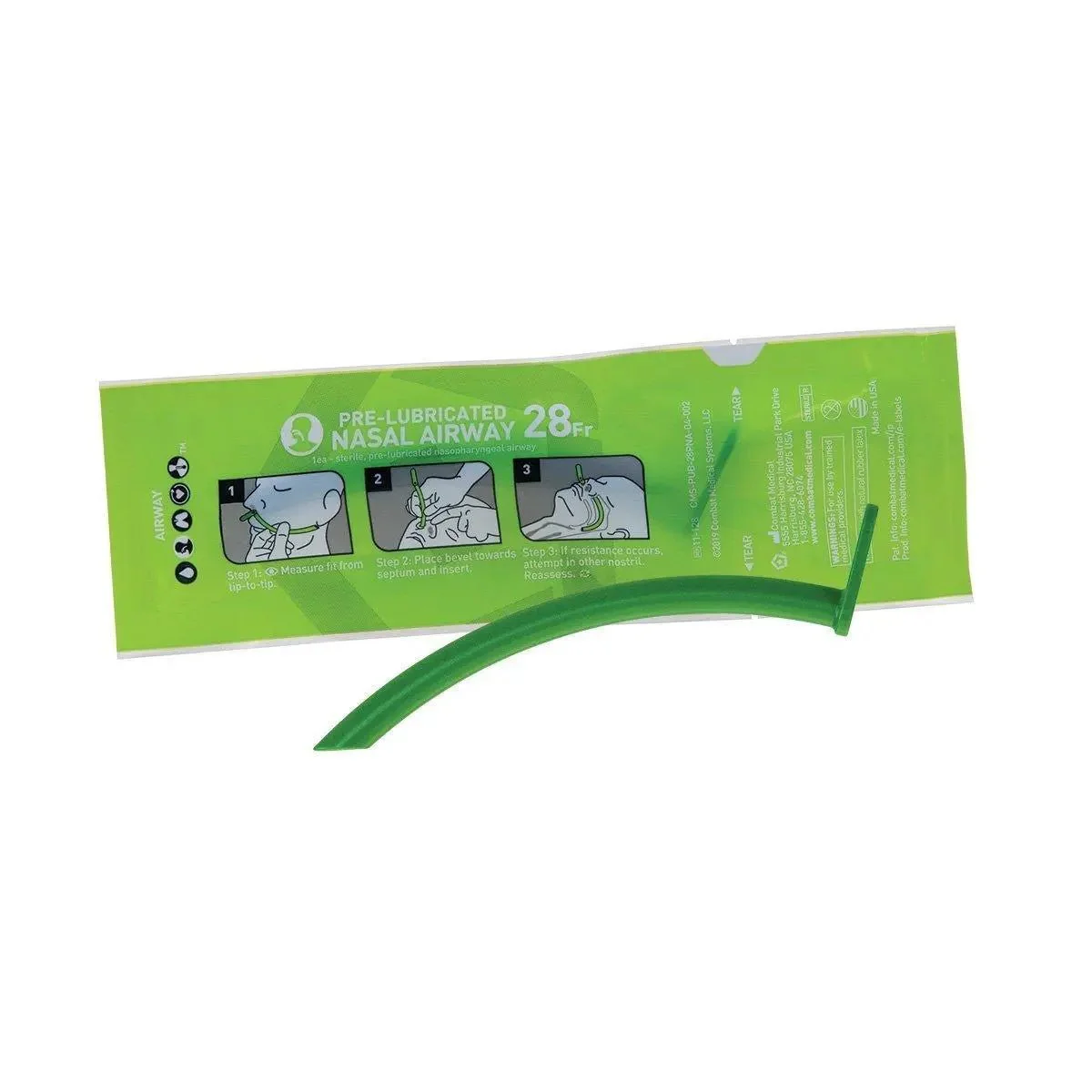
- Select the correct size using the nares-to-tragus method or nostril diameter approximation.
- Apply water-soluble lubricant (not petroleum-based) generously to the exterior of the NPA tip and body.
- Inspect both nostrils for obstruction, deviation, or injury. Use the larger, more patent nostril. The right nostril is typically preferred in most patients.
- Position the bevel facing the nasal septum (toward the middle). Insert the NPA into the nostril at a perpendicular angle to the face, directed posteriorly along the nasal floor — not upward toward the brain.
- Advance gently with a slight rotating motion if resistance is encountered. Do not force. If firm resistance is felt, try the other nostril.
- Stop when the flange reaches the nares (or adjust the flange to the desired depth). The tip should lie in the nasopharynx, above the uvula and epiglottis.
- Assess airway patency: Look, listen, and feel for air movement. If the patient gags, the NPA may be too long — retract or exchange for a smaller size.
- Secure: A safety pin through the flange can prevent accidental migration. Reassess frequently.
TCCC Field Note: Per 2024 TCCC guidelines, for an unconscious casualty without traumatic airway obstruction, place in the recovery position after NPA insertion — chin tilted away from the chest to maintain patency. The jaw-thrust maneuver is no longer recommended in the 2024 update. The NPA remains first-line for pre-hospital airway management prior to surgical airway consideration. For detailed TCCC airway management updates, see our TCCC Guidelines 2026 article. For a complete airway management kit, see our full collection.
All products sourced from the actual brand manufacturer or authorized master distributors. CoTCCC recommendation status verified where applicable. Ships from MED-TAC International, Pembroke Pines, FL — clinician-founded, veteran-led, SDVOSB-certified.
Description
What is the Adjustable Flange Nasopharyngeal Airway? The Adjustable Flange Nasopharyngeal Airway (NPA) by Sunmed is a single-use, sterile airway adjunct made from Neoprene® — latex-free with atraumatic tips for smooth nasal insertion. The adjustable flange allows precise depth positioning to prevent gag reflex and improve comfort. Available in 22 Fr, 24 Fr, 26 Fr, and 28 Fr sizes (–), this NPA is a TCCC-recommended airway management tool for trauma casualties with airway obstruction or altered consciousness.
Key Specifications
| Specification | Detail | ||
|---|---|---|---|
| 24 Fr | MEDTAC1009 | ~8.0 mm | Average female, smaller male |
| 26 Fr | MEDTAC1010 | ~8.7 mm | Average adult male, medium build |
| 28 Fr | MEDTAC1011 | ~9.3 mm | Large adult male, large build |
Contraindications
Absolute Contraindications (Do Not Insert NPA):
- Suspected basilar skull fracture — signs include Battle's sign (bruising behind the ear), raccoon eyes (periorbital bruising), clear fluid from ears or nose (CSF leak). Intracranial placement risk.
- Significant midface trauma — disruption of nasopharynx or roof of mouth — risk of intracranial placement
- Known facial/nasal fractures in the insertion path
- Suspected epiglottitis
- Large nasal polyps or obstructing nasal pathology
- Recent nasal or sinus surgery
- Coagulopathy or anticoagulant therapy (increased epistaxis risk)
Insertion Technique
- Select the correct size using the nares-to-tragus method or nostril diameter approximation.
- Apply water-soluble lubricant (not petroleum-based) generously to the exterior of the NPA tip and body.
- Inspect both nostrils for obstruction, deviation, or injury. Use the larger, more patent nostril. The right nostril is typically preferred in most patients.
- Position the bevel facing the nasal septum (toward the middle). Insert the NPA into the nostril at a perpendicular angle to the face, directed posteriorly along the nasal floor — not upward toward the brain.
- Advance gently with a slight rotating motion if resistance is encountered. Do not force. If firm resistance is felt, try the other nostril.
- Stop when the flange reaches the nares (or adjust the flange to the desired depth). The tip should lie in the nasopharynx, above the uvula and epiglottis.
- Assess airway patency: Look, listen, and feel for air movement. If the patient gags, the NPA may be too long — retract or exchange for a smaller size.
- Secure: A safety pin through the flange can prevent accidental migration. Reassess frequently.
TCCC Field Note: Per 2024 TCCC guidelines, for an unconscious casualty without traumatic airway obstruction, place in the recovery position after NPA insertion — chin tilted away from the chest to maintain patency. The jaw-thrust maneuver is no longer recommended in the 2024 update. The NPA remains first-line for pre-hospital airway management prior to surgical airway consideration. For detailed TCCC airway management updates, see our TCCC Guidelines 2026 article. For a complete airway management kit, see our full collection.
All products sourced from the actual brand manufacturer or authorized master distributors. CoTCCC recommendation status verified where applicable. Ships from MED-TAC International, Pembroke Pines, FL — clinician-founded, veteran-led, SDVOSB-certified.